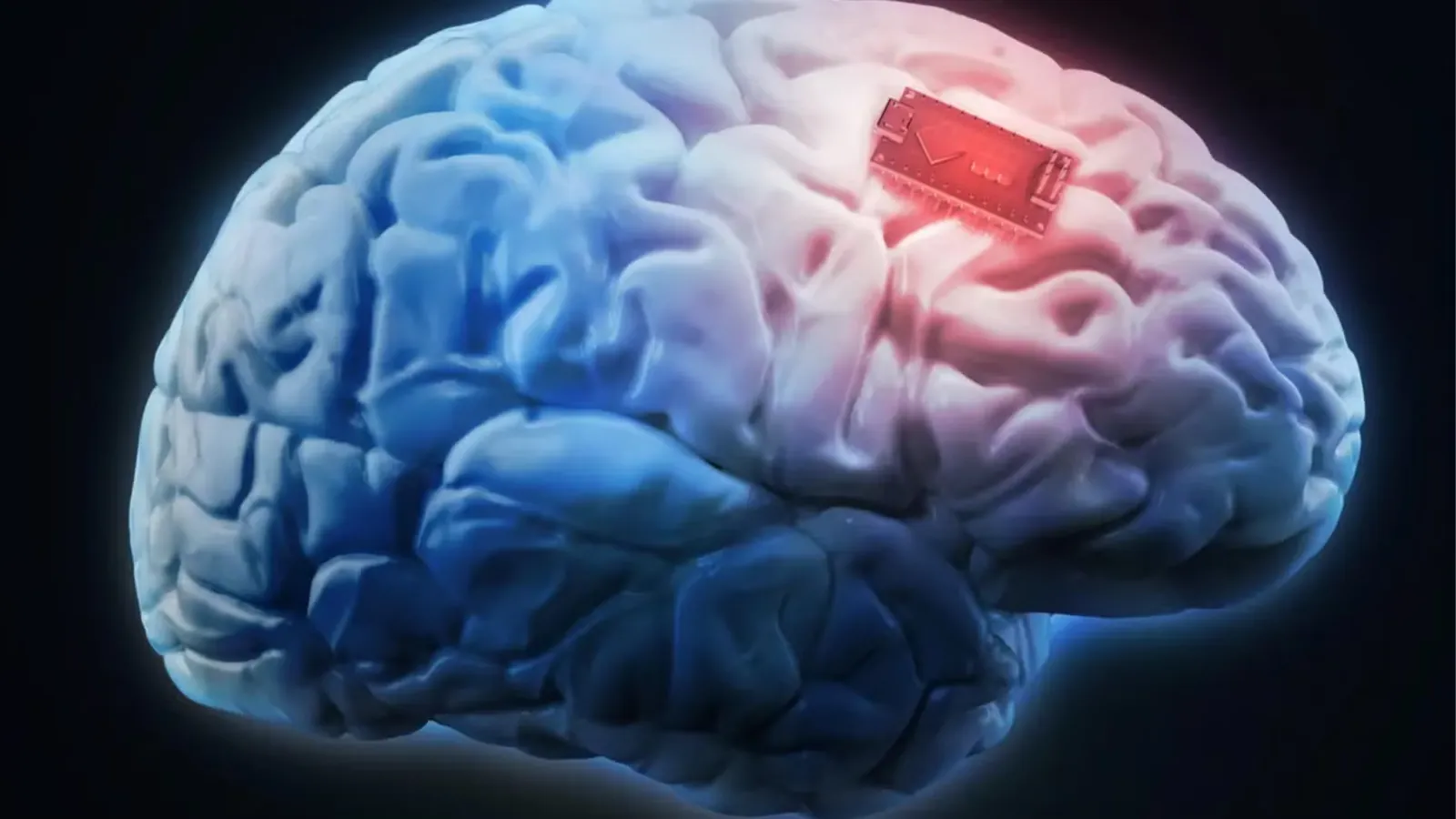
During the last couple of years huge progress has been announced on brain implants that can sense (read) and stimulate (write), this builds on, and contributes to, decades of brain stimulation devices development for treating neurodegenerative diseases such as Parkinson and Epilepsy. Today hundreds of thousands of patients benefit from this technology resulting in life changing improvements on their quality of life. These devices that go implanted in the brain have the potential of helping much more patients across a wide range of nervous system diseases, including Alzheimer, depression and helping spinal cord injured and locked-in patients to regain control of movement and communication.
Beyond the medical applications, having BCI implants could give to anybody the ability to interact seamlessly with computers from their thoughts, without involving any muscle movement or sensory input. This premise has been fueling the investment of hundreds of millions of dollars on companies that aim to do it, without delivering so far the expected breakthroughs though making clear progress and also unveiling new important challenges to overcome.
In this talk we examined the history and future developments in devices that interact with the brain for treating diseases, regaining function or enhancing capabilities. The intention was not to be exhaustive but to highlight the most interesting facts and developments in the field.
This session was led by Nicolás Barabino.
Details
When: Thursday 23 March 2023, 19:30
Where: C/ de València, 209, Barcelona
Presented by: Nicolás Barabino
Attended: 26 people