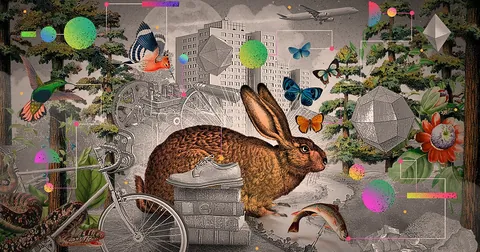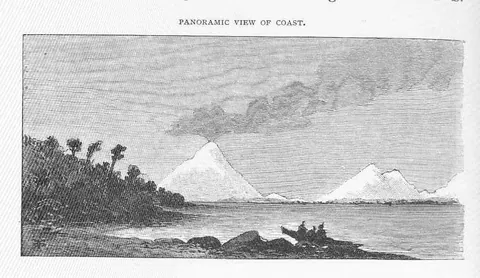

The self-making world of Jean-Baptiste Lamarck
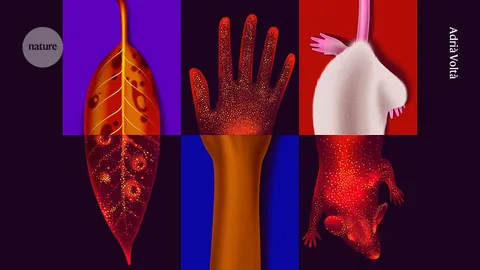
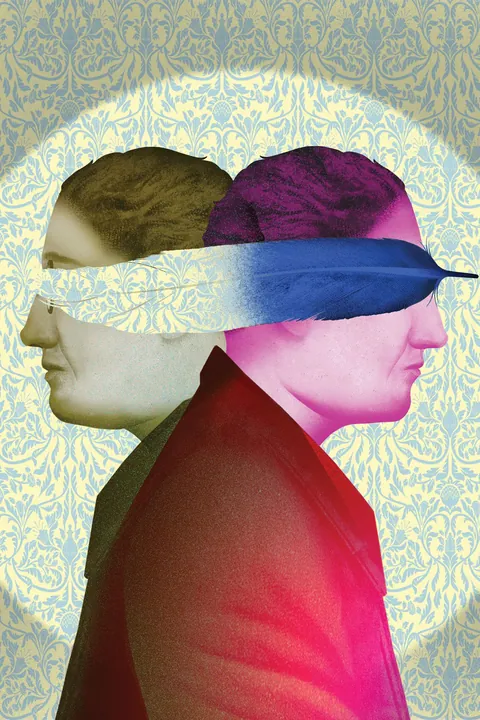
Long mocked, Lamarck's idea that organisms shape themselves and their world is making a comeback in biology.
Stop doomscrolling. Feed your mind instead: the best articles, videos and oddities, hand-picked from The Discussion Group’s Rabbit Hole on WhatsApp.
Animals, plants, the planet, space, physics and medicine.
71Long mocked, Lamarck's idea that organisms shape themselves and their world is making a comeback in biology.
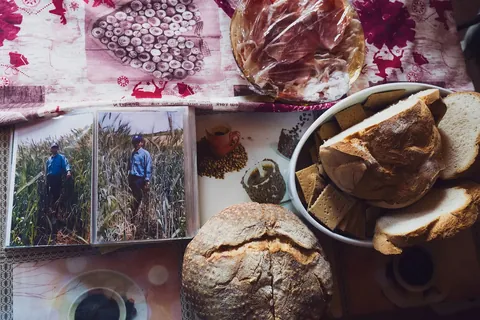
An Italian farmer plants unknown seeds found in his attic and revives an ancient, seemingly miraculous seven-eared wheat.
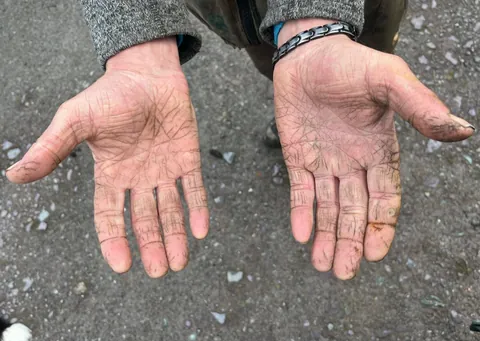
A dispatch from the mountains of Asturias on an invasion of hornets, with images by William Bock.
There is a local joke here that speaks to a pride in resistance to conquest through the centuries: Asturias es España, y lo demás tierra conquistada.
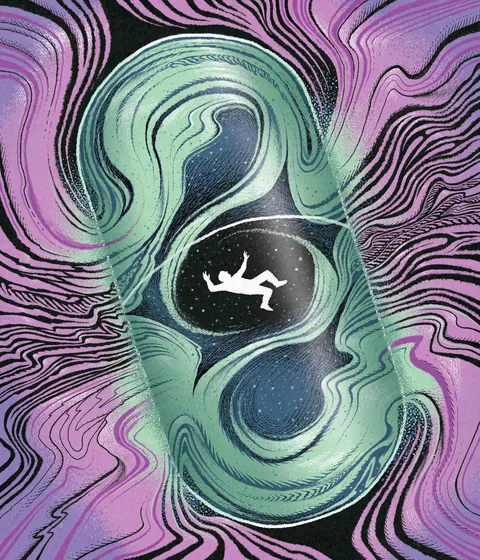
A personal investigation into benzodiazepines, long marketed as safe, and the ordeal of trying to come off them.
A beautiful explanation of how a single E. coli cell, with no brain, cleverly steers itself towards food.
An argument that the technology to eradicate mosquito-borne diseases already exists, if we are brave enough to use it.
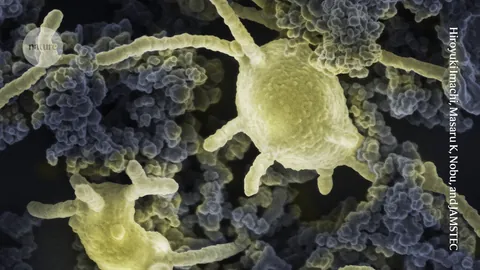
Researchers racing to culture Asgard archaea, strange microbes that may reveal how complex life first arose.
These bizarre, much-coveted microbes are revealing the origins of complex life
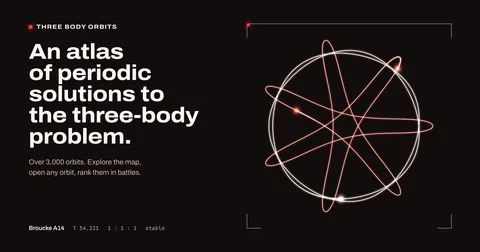
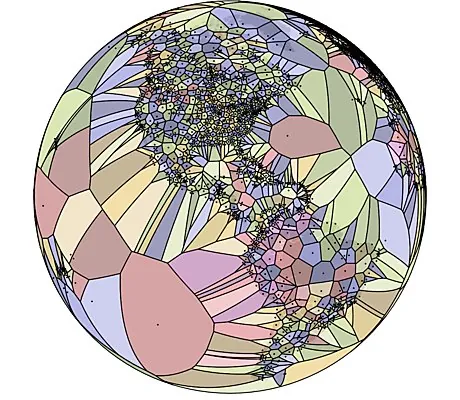
An animated atlas of 3,942 periodic orbits of the three-body problem, each computed to machine precision and explorable on a map.
Terence Tao, one of the world's greatest mathematicians, explains six essential concepts of mathematics.
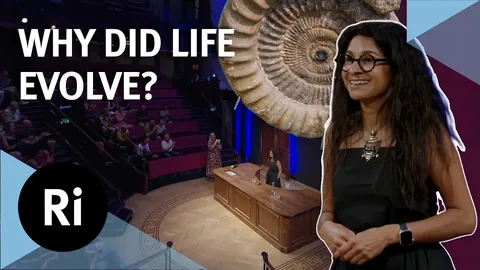
Biologist Anjali Goswami explains why cats have barely changed shape in millions of years while dogs vary wildly.
This evolutionary biologist argues that cats are better than dogs because they have such an advantageous physical form that they do not vary outside of that form (i.e. it’s difficult to breed cats that have large morphological differences the way it is with dogs), but I say, dogs are better than cats because they are able to vary widely physically, and are hence more adaptable to change. Cats suck.
(It’s actually a great lecture, and worth watching)
Research on people aged 110 and over finds an immune system still adapting, with abundant cancer-killing cells.
Olo, an 'impossible' colour no one had seen until lasers stimulated only the eye's M cone cells.
This is an “impossible colour" I’ve never come across before.
All living things emit a faint glow; scientists ask whether these 'biophotons' could diagnose disease or carry signals.
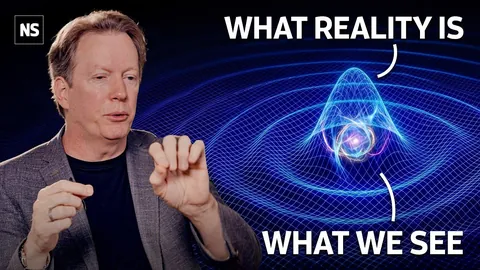
Physicist Sean Carroll on the deepest mysteries of quantum mechanics and why we may never fully understand reality.
I’m enjoying this.
Jim Al-Khalili's YouTube channel of clear physics explainers, including a series on quantum reality.
I’m enjoying the physics explainer videos in this channel. The Quantum Reality ones are great.
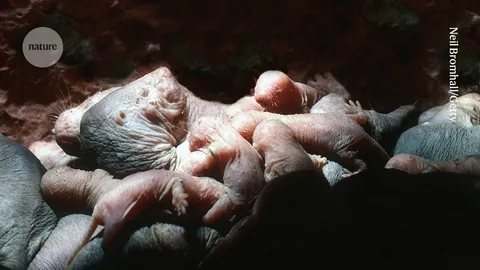
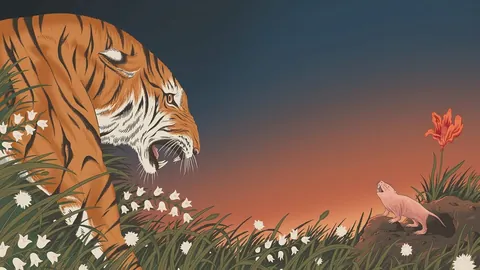
A single chemical made only by the naked mole rat queen suppresses reproduction in the other females.
Known for their hardiness and unusual longevity, naked mole rats are eusocial, which is extremely rare in mammals. In this social structure, the queen is responsible for all reproduction in its colony, while other, infertile individuals rear the offspring and complete laborious tasks such as gathering food. However, unlike other eusocial animals, such as bees, every female naked mole rat can become a queen. But most are stuck in a “stalled puberty phase”, says Lisa Stowers, a neuroscientist at Scripps Research in San Diego, California.
Does life pursue its own goals? Quanta explores 'biological agency' and what it means to be alive.
A New Yorker review of a book on the evolution of sex and why the size of gametes shapes behaviour across species.
Evolutionarily speaking, organisms serve their gametes rather than the reverse. Since eggs represent a big investment, it stands to reason that females should be picky about their partners. For males, the difficult part is gaining access to eggs, which are always going to be in short supply. Here it helps to be flashy or aggressive or both, a pressure that’s widely expressed across the taxa. Male cardinals sport bright-red feathers, male three-spined sticklebacks bright-red bellies. In any number of species—elephant seals, red deer, rattlesnakes—the privilege of mating is settled by a fight. In some species—lions, for instance—only one male and his closest buddies get the chance to sire offspring. When the alpha is dethroned, his replacement typically does in his predecessor’s cubs so that the females in the pride will breed again. Mountain gorillas behave similarly; when a new male takes charge, he frequently kills the babies fathered by the previous silverback. Infanticide, Sun writes, is “surprisingly common, especially among carnivores and primates, often driven by the brutal logic of mate competition.”
A Nature feature on what large studies actually show about diet, exercise and socialising in preventing dementia.
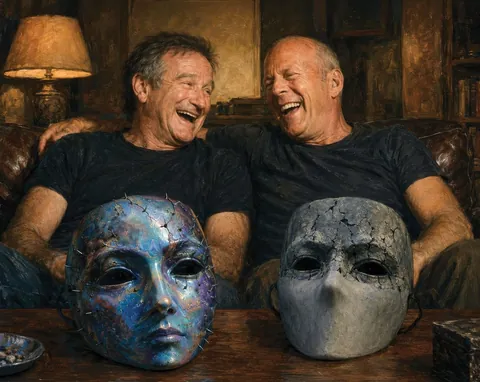
What the cases of Robin Williams and Bruce Willis teach us about dementia and the industry around our fear of it.
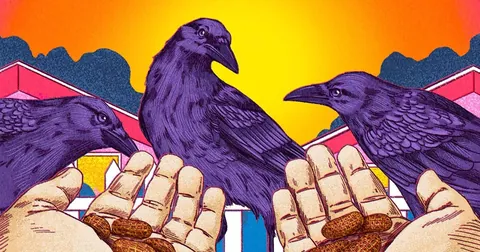
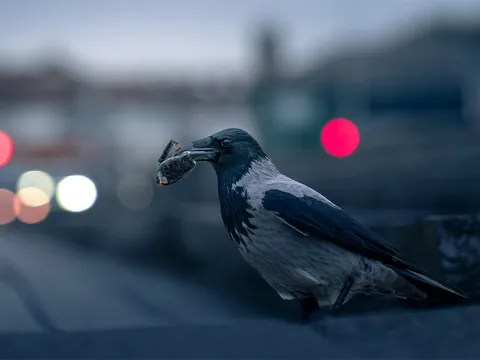
An investigation into the state of relations between crows and people.
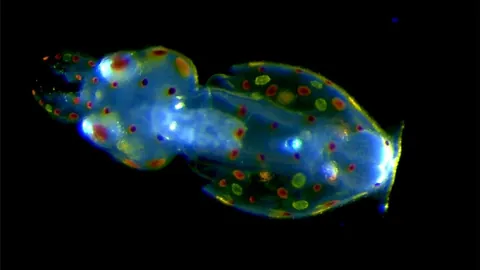
Stunning microscopy footage showing a squid developing from egg to hatchling.
How heat waves actually kill, and why a temperature of 31°C can be dangerous to the human body.
Could a hidden extra dimension link changing dark energy with dark matter? Theorists explore the idea.
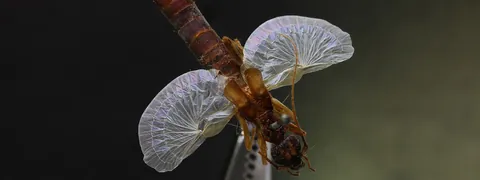
How animals and plants exploit the physics of folding, from insect wings to leaves.
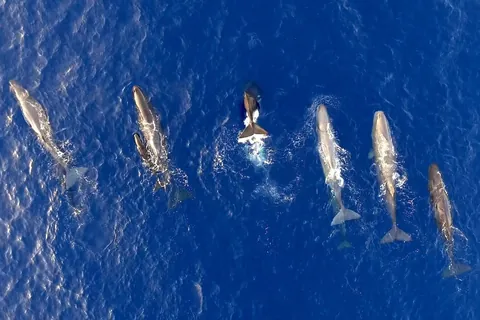
Mediterranean sperm whales have distinct vocal dialects that evolve over time, much like human languages.
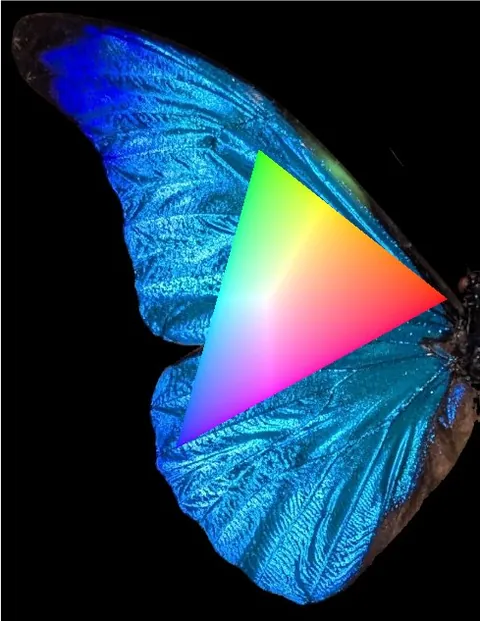
An atlas of real-world colours that screens cannot reproduce, explaining the limits of display gamuts.
I’ve been fascinated by colour perception for some years, and I’ve read a lot of articles about it. This is the best one yet to explain why screens can’t display all the colours you can see.
I think one problem with this type of article is it can lead one to think that colours are generated in the mind according to some mathematical formula, which isn’t true. Many things affect perception, including context. The famous black-blue/white-gold dress photo shocked people because it made that context sensitive process very clear to people, but it’s actually happening all the time. For example, the colour surrounding a colour will alter now that colour is perceived. My grandfather was a painter and I remember him teaching me that when you paint the colour of the sky as seen through leaves in a tree, you have to use a different colour than you would use for the expanse of the sky, because of this context effect.
One of the things you have to learn when becoming an artist is to actually see properly - to pay very close attention to your perception, because what you naively think you see and what you actually see are different, and people who haven’t gone through the process of paying attention to their actual perceptions will often paint that they think they see, rather than what their senses actually perceive.
One example of context with regard to colour perception is how the mind adjusts how it makes the colours you see as the light changes during the day. The light in the morning or evening is very different to that at midday, and your mind adjusts the colours you perceive to compensate.
The gripping story of how antiperspirant fumes nearly forced NASA to evacuate the International Space Station.
A book excerpt on which corvid is cleverest, from tool use to trickery and possible self-medication.
A bird historian's playful ranking of the hundred best bird names among the world's 11,000 species.
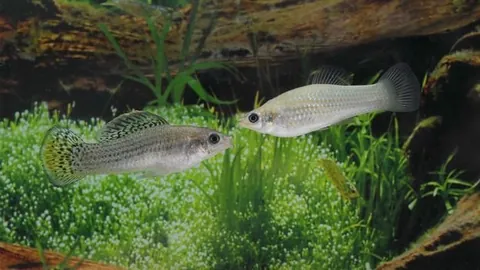
An all-female fish species has survived 100,000 years without males, overturning ideas about asexual species as dead ends.
In the rivers of Mexico and southern Texas swims a fish that shouldn’t exist. In the warm, slow-moving waters, she drifts among her all-female shoal, her silver scales brushing against males of closely related species. It’s here that she selects a mate. But in an unusual evolutionary twist, his genes play no part in her offspring. This is a biological heist known as gynogenesis, in which she uses the male’s sperm only to trigger egg development, but quickly discards his DNA. She produces only daughters, each a clone of herself.
Lifelike biochemistry carried on in sterilised soil for six years, supporting a metabolism-first theory of how life began.
How subtle variations in the structure of a barn owl's feathers let it fly silently and hunt by hearing alone.
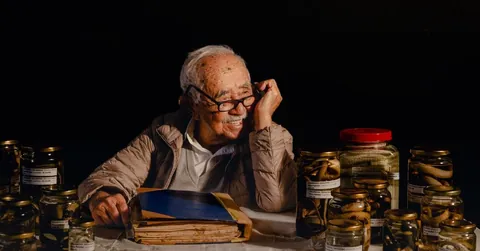
A New York Times science feature on a snake collector in Mera, Ecuador.
A classic piece by a rescue expert on why drowning is quiet and looks nothing like what we expect from films.
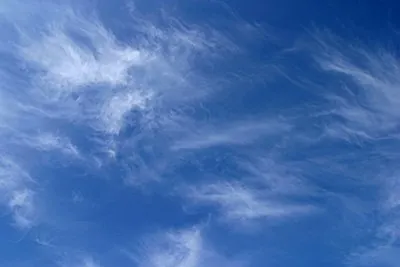
A clear NOAA guide to the ten basic cloud types first classified by Luke Howard, with how to recognise each.
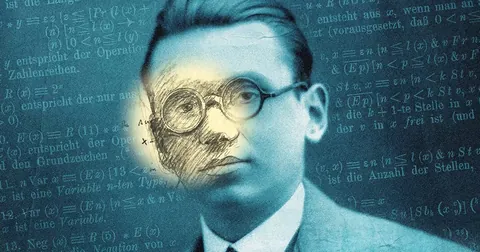
Natalie Wolchover explores what Gödel's incompleteness theorems really imply for mathematics and the search for a theory of everything.
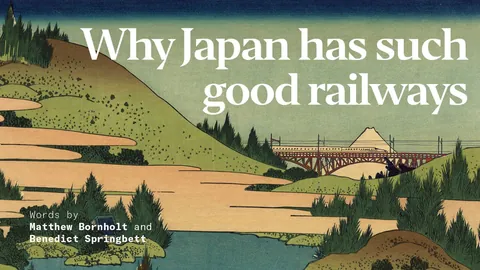
How a 1950s decision to reforest Japan with just two tree species left much of the country suffering from hay fever.
Scientists working on synthetic 'mirror life' realised it could pose an existential threat to all life on Earth, and are trying to stop it.
many of the biologists working on its development have come to realize the potential worst-case-scenario consequences of their work. A mirrored organism would be essentially invisible to the immune systems of humans, animals and plants, bypassing the biological defenses that we and other living beings have evolved. Many natural predators, viruses and diseases would be unable to recognize it and therefore powerless to limit its reproduction. As Ariel Lindner, research director of the Systems Engineering and Evolution Dynamics Unit at the French National Institute of Health and Medical Research, or Inserm, told me in an interview: “Living systems know how to deal with invaders, but not with space invaders. Mirror life is a kind of space invader.”
Why the bird retina, one of the most energy-hungry tissues known, runs without oxygen, and how new research explains it.
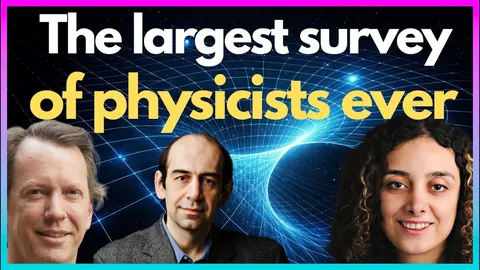
Leading theoretical physicists react to the results of the largest-ever survey of what physicists believe about the deepest open questions.
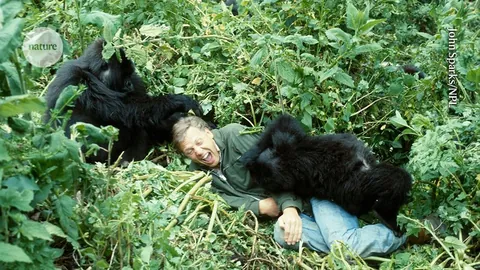
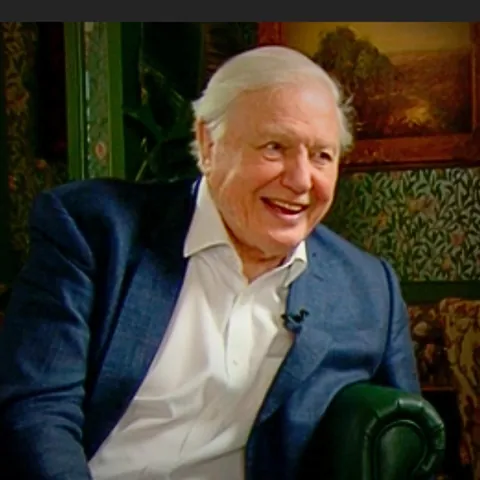
Nature's illustrated look back at David Attenborough's life and how his work has shaped science, on his 100th birthday.
Ultrafinitism, the long-dismissed philosophy that rejects the infinite, is now producing new mathematical ideas.
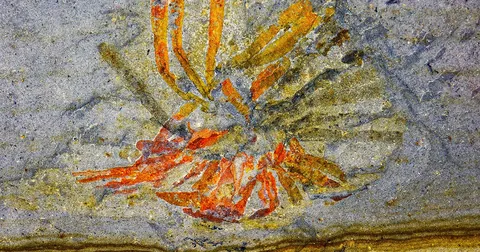
A newly discovered trove of exquisitely preserved Cambrian fossils in southern China is reshaping the story of early animal life.
In 2026, a new Cambrian Lagerstätte entered the scene. Paleontologists in southern China uncovered a trove (opens a new tab) of some of the best-preserved Cambrian fossils to date — a massive collection of 8,681 fossils spanning 153 species — named the Huayuan biota.
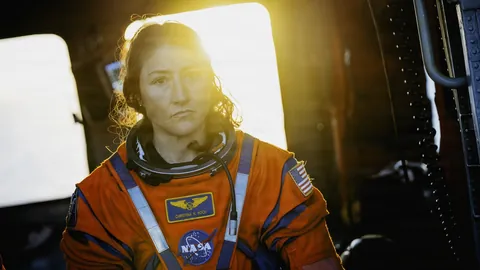
An interactive timeline of NASA's Artemis II mission to scrub through every crew photo, lunar flyby shot and audio clip.
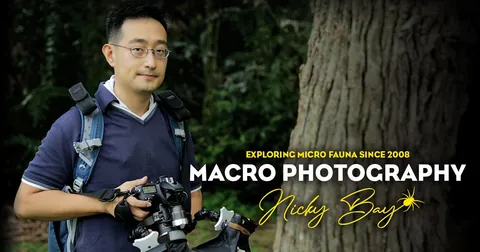
Nicky Bay's extraordinary macro photographs of spiders, insects and other tiny creatures.
It’s easy to suspect this kind of thing is AI generated these days, but the guy that made this site is a pro macro photographer specialising in creepy crawlies
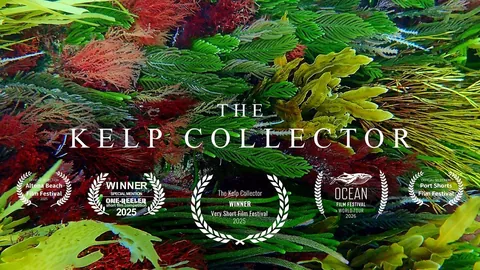
A short film about retired scientist Sandy Webb, who meticulously collects and catalogues kelp.
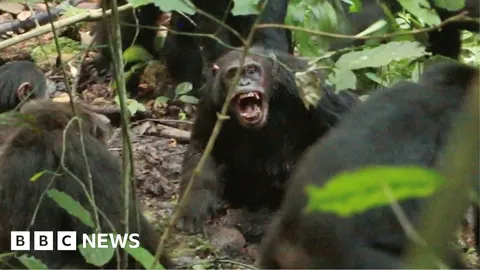
Researchers describe a 'civil war' that has split Uganda's once close-knit Ngogo chimpanzee community for eight years.
An Orion essay on flowers, perfume and the science of how we smell.
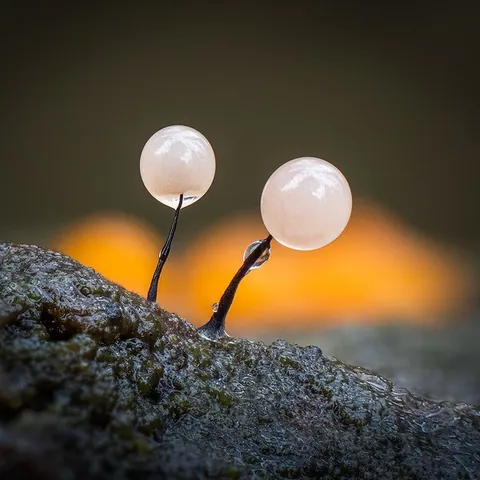
Barry Webb's macro photographs of slime moulds, revealing tiny, strange and beautiful structures.
Slime-moulds are just amazing
Astronomer Michelle Thaller on how modern physics forces us to rethink time, matter and existence.
I am enjoying this
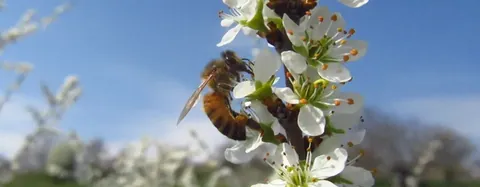
Why the managed honeybee is not the bee that needs saving, and what wild bees really need.
Apis mellifera, the Western Honeybee, is not a wild animal in any meaningful sense of the word. It has been kept, managed, moved, and selectively bred by people for at least six thousand years. It has been transported to every continent except Antarctica, introduced into ecosystems far outside its original range across Africa and the Middle East, and kept in densities that would never occur naturally anywhere on Earth.
By any reasonable definition, the honeybee is livestock.
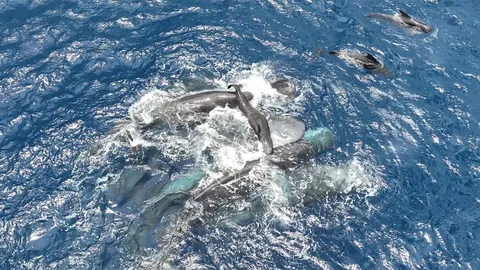
Scientists filmed a sperm whale birth in which other whales cooperated to support mother and calf.
Sperm whales live in matrilineal groups: grandmothers, mothers and daughters. Females stick together, while males set out on their own in their mid-teens. Rounder’s group, Unit A, included two distinct matrilines that don’t typically spend a lot of time in close proximity. Roughly half of the whales present during the birth were not directly related to her.
But the videos show that didn’t prevent the nonfamily members from helping. Newborn whales are negatively buoyant, Gero said. They don’t have the fully developed, oil-filled sack organ in their nose that helps adult sperm whales rise to the surface. So without effort, newborns will sink. For the first three hours after the calf was born, every whale present took a turn keeping it afloat.
From the point of view of evolutionary biology, this kind of behaviour - non-related individuals helping - is fascinating. It’s altruism. Social mammals exhibit a lot of behaviours that we think of as being ethically good - altruism, cooperation, reciprocity.
An Atlantic feature on what a lightning strike does to the bodies and minds of the people who survive it.
The Natal crocus uses fire, bees and ants to reproduce, even tricking ants with a scent that mimics their larvae.
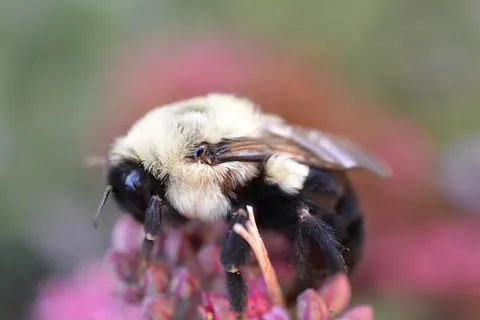
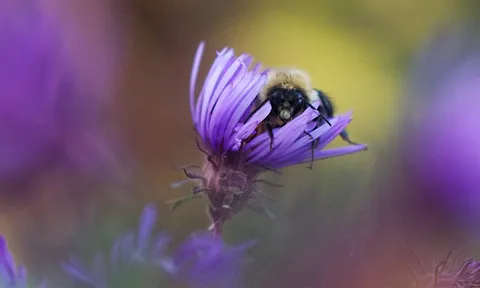
Bumblebee queens can survive a week underwater, and scientists have worked out how they breathe while submerged.
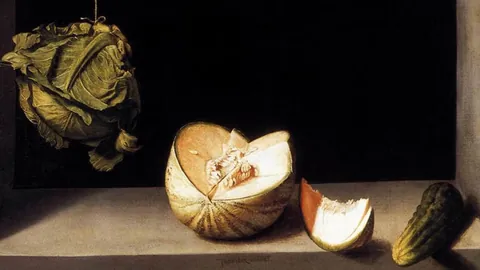
How one unappetising wild shrub was bred into cabbage, broccoli, kale and dozens of other vegetables.
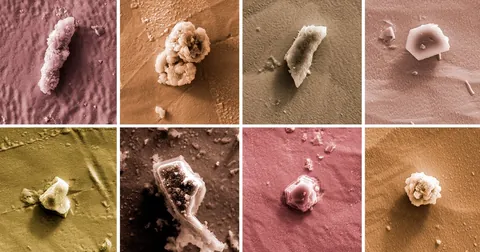
Microscopic crystals from meteorites, older than the Sun, offer clues to how our solar system was born.
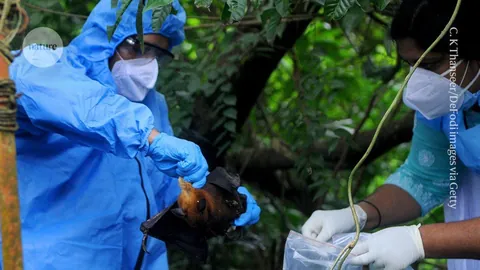
Mosquitoes engineered to carry vaccine in their saliva have been used in the lab to immunise bats against rabies.
This is so cool. Aedes aegypti mosquitoes engineered to carry vaccines in their saliva have been used in the lab to inoculate bats against the rabies and Nipah viruses. Researchers fed the mosquitoes blood that contained a vaccine against one of the two viruses, which were then passed on either when the insects fed on bats or when the bats ate them. The team hopes that this method could be used to stop such viruses from spilling over’ from bats into humans.
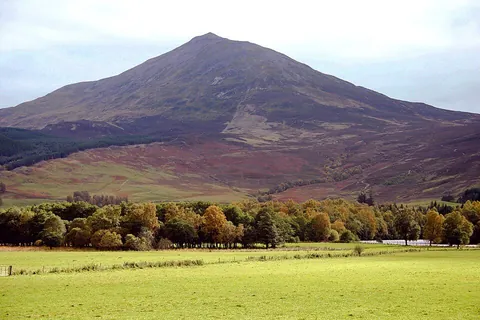
How an 18th-century experiment on a Scottish mountain was used to weigh the whole Earth.
A fascinating catalogue of exceptionally long-lived animals and what they might teach us about extending human life.
A fascinating catalogue of animals that live a long time
But while brain size predicts in broad strokes why some animals live longer than others, it doesn’t explain why any of the super-duper long-lived creatures have their powers, except for maybe bowhead whales. Naked mole rats are interchangeable parts of a machine. Lobsters don’t have problem-solving skills or a long-term memory. Jellyfish don’t even have brains. Clams don’t do anything at all!
Bees really do sleep and dream, and a writer imagines what a bumblebee might dream of in autumn.
Winning images from the Close-up Photographer of the Year awards, from slime moulds to the inside of a cauliflower.
Browse decades of winning images from the Natural History Museum's renowned wildlife photography competition.
A mushroom found in China and elsewhere makes people across cultures hallucinate the same thing: crowds of tiny people.
“It sounded so bizarre that there could be a mushroom out there causing fairytale-like visions reported across cultures and time,”
With L. asiatica, though, “the perception of little people is very reliably and repeatedly reported”, Domnauer says. “I don’t know of anything else that produces such consistent hallucinations.”
The same mathematics of random matrices seems to govern systems as different as Arctic melt ponds and the internet.
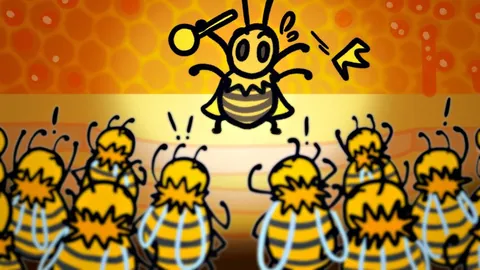
A short animated explainer on why honeybee colonies sometimes turn on and replace their own queen.
A look at the debate over whether natural selection alone can explain adaptation, or whether evolutionary theory needs an overhaul.
The traditional, and still dominant, view is that adaptations – from the human brain to the peacock’s tail – are fully and satisfactorily explained by natural selection (and subsequent inheritance). Yet as novel ideas flood in from genomics, epigenetics and developmental biology, most evolutionists agree that their field is in flux. Much of the data implies that evolution is more complex than we once assumed.
the article is basically talking about inheritance of acquired characteristics via epigenetics.
And behavior via social learning.
So nothing really new in the essay. It’s a shame it didn’t touch of other more speculative mechanisms for inheritance of acquired characteristics, such as via the placenta and breast milk. And Mike Levin’s amazing work on bioelectric memory, although not related to inheritance, also hasn’t been explored much from an evolutionary perspective as far as I am aware.
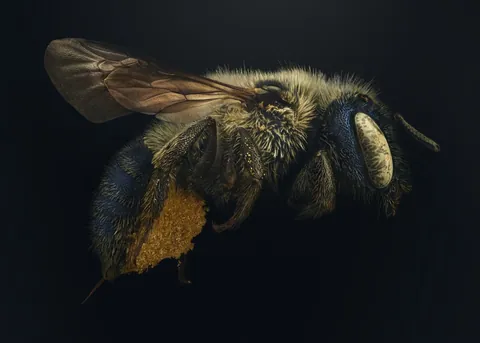
Detailed portraits of rare and endangered insects, from a calamintha bee to a flower-loving fly.
A newly discovered Hawaiian caterpillar lurks in spider webs and decorates itself with the body parts of dead insects.
Darwin's own vivid observations from the voyage of the Beagle, curated into a collection of his first-hand accounts.
Tell us your name and email to see the rest of The Rabbit Hole, and every other members' page. No password, nothing to remember.
Everything is open now, and it will stay open on this device. We've sent you an email: click the link in it to confirm your address.
Psychology, neuroscience, consciousness and how we think.
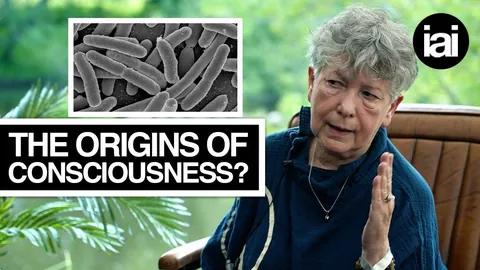
28A long-form interview arguing that consciousness arises not in the cortex but in deeper, older parts of the brain.
I’ve been learning about consciousness for many years, so it’s not often I come across someone with ideas I’m not aware of. But there were a number viewpoints in this interview that are new to me. Overall a very interesting interview.
Experts who championed a single autism spectrum reconsider, as diagnoses soar and the term risks becoming unrecognisable.
But what Frith craves, on this subject and many others, is scientific certainty. “The studies I’ve seen measure masking on a test with items on it like ‘I copy body language’. And I dismiss that as non-scientific because subjective experience is not reliable.”
Neurodiversity takes place in our minds. It’s not a physical thing (or not at a scale that we can currently measure). To put it another way, it occurs in subjective experience. So it’s curious to see the scientist in this case reject subjective experience as not scientific. Which is of course true - we cannot measure subjective experience, and since Galileo subjective experience has been rejected as part of the scientific process (he explicitly rejected it).
Perhaps this is the base of the problems we have giving labels to various aspects of neurodiversity (such as autism, ADHD, OCD, etc.) These things are occurring in subjective experience. So ultimately we can’t really do science with them.
A Nature essay arguing smartphones and AI are eroding deep reading, and with it our ability to follow complex arguments.
Biologist Eva Jablonka on how consciousness evolved, and why evolution involves more than genes alone.
Why the years seem to fly: an essay arguing we are forgetting them, and losing the quiet, boring moments that anchor memory.
The Atlantic on neuroscientist Willoughby Britton's research into the overlooked harmful effects of meditation.
Google and HHMI Janelia map every neuron and connection in the complete male fruit fly brain.
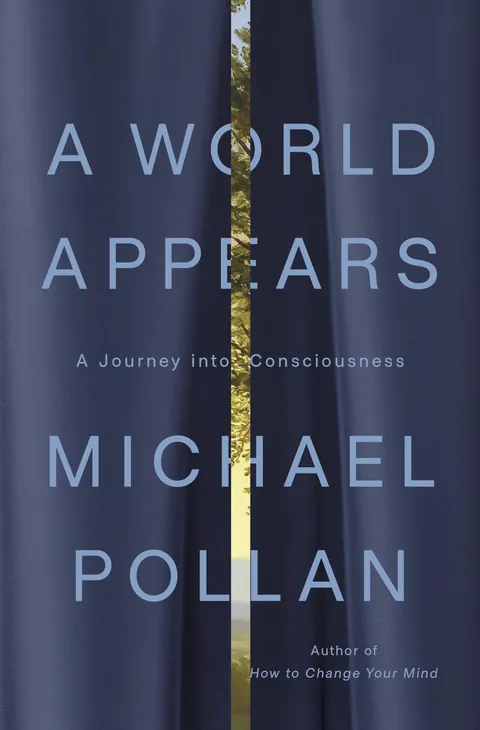
A review of Michael Pollan's book on the science of consciousness, where he finds leading researchers experimenting with psychedelics.
Psychologist Simon Baron-Cohen argues that systematic pattern-seeking drove human invention and is especially strong in autistic minds.
Simon Baron-Cohen is one of the world’s leading (and sometimes contested) autism researchers (and first cousin to Sacha “Borat" Baron-Cohen). He has been championing the idea of neurodiversity for some years. If we look at our physical bodies, I don’t think anyone would dispute that there is wide variation between body shapes and looks. Neurodiversity means treating the brain in the same way. Just as there is a wide variety of, say, hair colour, there may also be a wide variety in, for example, people’s felt experience of love. Just as there is a wide variety of people’s heights, there may be a wide variety of levels of different emotional experience. And of course just as people may have physical disabilities, they may have mental disabilities that cause them issues in daily life.
In the video he talks about empathy as having two forms - cognitive and affective. I’ve been thinking about the subject a lot and think I prefer the three-part definition (from Zaki and Ochsner Nat Neurosci. 2012) - 1) Mentalising, i.e. inferring what someone feels, “cognitive empathy”, 2) Experience sharing, i.e. literally experiencing what the other person feels the vicarious/resonance component. In pop-science “mirror-neurones”. 3) Prosocial concern, i.e. caring about the state of the other person, being motivated to improve it (what psychopaths lack).
Michael Pollan on what novelists can teach neuroscientists about the flow of ordinary consciousness.
We moderns tend to attribute the thoughts that arrive unbidden, from “out of the blue,” to somewhere within us, like the unconscious, but in the past, people believed they came from outside us—inspirations from the Muses or the gods. Yet even now, these spontaneous insights or intuitions possess an aura and an authority that ideas delivered by reasoning seldom command. We imbue them with a residue of magic, perhaps because their origin remains something of a mystery.
A cognitive scientist on how cognitive rigidity makes people more susceptible to ideological extremism.
One of the characteristics I have studied is called cognitive rigidity, and it captures whether a person struggles to adapt to change or uncertainty. We all exist on a spectrum from cognitively rigid to cognitively flexible thinkers. You might think you have a sense of where you lie on this spectrum, but in fact most of us have very little insight into our own cognitive rigidity. I’ve found that some of the most rigid thinkers describe themselves as spectacularly flexible while the most flexible people are often unaware of their own adaptability. This is why, instead of relying on asking people how rigid they think they are, I began studying people’s unconscious thinking styles.
in my research, the people who struggled most to adapt their strategy on the card game were also the ones most likely to endorse statements such as ‘People should be willing to fight and die for their group’ and to agree that strict obedience to authority is among the most important values a person can have. They were also the most likely to reject evidence that challenged their existing beliefs and to dismiss alternative perspectives outright.
Cognitively rigid thinkers are also likely to be the most politically extreme. In terms of the political spectrum, people on both the far Right and far Left tend to be most psychologically rigid. When I’ve tested people from both extremes, they are the ones who struggled to adapt, to invent, to change mental schemas, even in neutral and non-political situations like the Wisconsin Card Test.
An essay on dream-hacking techniques that could heal and inspire us, and the risk of advertisers exploiting them.
A rare condition in which people who are cortically blind insist they can see, confabulating a visual world.
This is fascinating
I can imagine that the brain could generate a very realistic visual impression of what it thinks is around it without any visual input. This could be indistinguishable from correct visual presentation, and so the person suffering it would not realise they are blind.
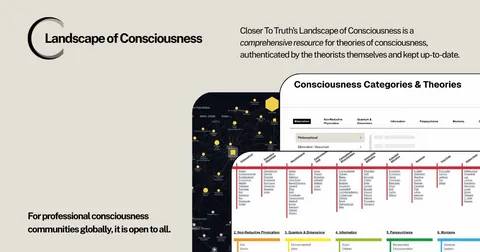
An interactive map of the many theories of consciousness, from materialist to idealist, curated by Closer to Truth.
Peter Godfrey-Smith's book on octopus minds and the evolutionary origins of consciousness.
I’m a fan of this book
An essay on the strange nature of autobiographical memory from a writer whose memory is legendary in her family.
Recordings from people under anaesthesia show the unconscious brain still processes words and can even predict what comes next.
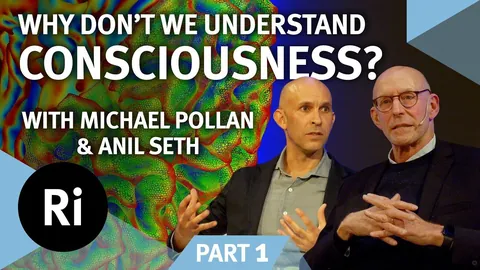
Neuroscientist Anil Seth and Michael Pollan discuss how the brain creates our sense of self.
I enjoyed this
Try an experiment that uses optical illusions to let you glimpse colours outside the normal human gamut.
Try the experiment in this article. You can see a new colour! It worked for me.
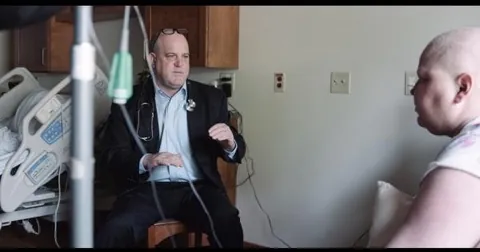
A physician's account of the visions and dreams that often come to people near the end of life, including his wife's.
Lily Meyersohn traces how 'codependency' was invented and how it reshaped ideas about caring for others.
Experiments suggest astrocytes, long seen as mere support cells, actively tune neurons and shape our mental states.
“We live in the age of connectomics, where everyone loves to say [that] if you understand the connections [between neurons], we can understand how the brain works. That’s not true,” said Marc Freeman (opens a new tab), the director of the Vollum Institute, an independent neuroscience research center at Oregon Health and Science University, who led one of the new studies. “You can get dramatic changes in firing patterns of neurons with zero changes in [neuronal] connectivity.”
New findings challenge dopamine's reputation as the brain's 'feel-good' reward chemical.
Researchers using 'targeted dream incubation' are learning to steer people's dreams, and changing how we think about sleep.
TDI is part of the emerging field of dream engineering that uses technology to connect with dreamers and help them guide their dreams. Just as sounds or other stimuli are employed to boost memory consolidation during sleep or help dreamers become lucid, this novel technique uses stimuli to guide people’s thoughts as they drift off, with the hope of influencing their dreams. It is well established that we often dream about experiences from earlier in the day, and the thoughts that swirl around our heads as we fall asleep can influence our dreams. Research shows that if we are ruminating over negative thoughts during sleep onset, it’s more likely that we will have bad dreams later in the night. The loop of negative thoughts even makes our sleep quality worse.
An Aeon essay arguing that most of what we believe about psychopathy has been debunked, and asking why the idea persists.
People who see letters and sounds in colour may have an advantage when learning foreign languages.
An exploration of sleepwalking and daydreaming, and what they reveal about the borderlands of consciousness.
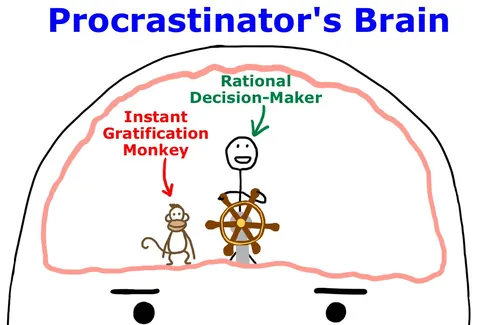
Tim Urban's funny, stick-figure-illustrated explanation of what goes on in a procrastinator's head.
Essays and arguments about how to live, belief and meaning.
22A defence of the dilettante, the wandering generalist who never gets stuck, against a hyper-specialised age.
How leaning on technology means we sense, navigate, remember, walk and attend less, deskilling our bodies.
An essay, first published in the Kenyon Review, asking whether a medical diagnosis should rewrite how we understand our past.
Oliver Burkeman suggests treating your to-read pile like a river rather than a bucket, freeing you from guilt.
Cicero's idea of probabilia: be confident in your beliefs, but never certain of them.
An essay on how the culture of self-optimisation and 'levelling up' differs from the Socratic examined life.
We talk now about working on ourselves, upgrading our habits, levelling up, building a personal brand, becoming the best version of who we are, as though a person were a small business that might reach profitability if only the founder would stop sleeping. The philosopher Byung-Chul Han, who has written about this more mercilessly than most, describes ours as an ‘achievement society’, and his unsettling observation is that we have become at once the labourer and the boss, driving ourselves with a thoroughness no external master could ever have got away with, and calling the result freedom.
Kevin Kelly asks what you would do with a billion dollars, arguing that money is rarely the real bottleneck for our dreams.
The author, Kevin Kelly, is a very interesting man (he founded Wired magazine) and has good insights.
The bottleneck for most dreams is not financial. It’s a lack of confidence, willingness to take a risk, and face failure, or a lack of imagination of what is possible with current resources. If you want to write a novel you don’t need capital — you need discipline and 1,000 words a day. If you want to start a consultancy you need expertise and a first client, not a war chest. A lack of money is a convenient thing to blame because it feels concrete, but it’s rarely the actual blocker for achievements.
Jean Meslier, a rural French priest, secretly wrote a case for atheism arguing religion breeds obedient subjects.
An interactive map of the history of philosophy, showing which thinkers' ideas agree and disagree with which.
Philosopher Galen Strawson argues that consciousness is not mysterious: what we don't understand is matter.
An Atlantic essay on why the expected march towards secular liberal modernity has stalled and traditionalism is returning.
We used to have a clear idea of where modernity was heading—toward greater autonomy and equality, secularism, stronger individual rights, cultural openness, and liberal democracy. Progress was supposed to lead to the expansion of individual choice in sphere after sphere. Science and reason would prosper while superstition and conspiracy-mongering would wither away.
You can tell what kind of reactionary a person is by asking them what era they want to go back to. For some MAGA dudes, it’s the Roman empire, when men were men. For some theocrats, it’s the Middle Ages, when men were monks. In the U.S., many on the right want to go back to the social mores of the 1950s: men in the workplace, women at home; white people on top; epic levels of church attendance; and wholesome fare such as Oklahoma! and Leave It to Beaver onstage and on television. Meanwhile, many on the left want to go back to that decade’s union- and manufacturing-led economy, or to the utopian socialism of the 19th century. Our politics is drenched in nostalgia.
In the modern age, Guénon continued, science dominates. Modern scientists think they are taking a cold, objective look at reality, but they are pitifully naive, stuck at the level of what scientific materialism and measurement will allow. A modern scientist, in the Guénon view, is oblivious to spiritual reality—which, to the traditionalist, is the primary reality—and so adopts a worldview that denies the existence of the metaphysical realm. The modern scientist is like someone who investigates the workings of an orchestra without the ability to hear music or even the awareness that music exists. All he can describe is bows scraping against strings and air flowing through wind instruments. His theories make a hash of what he is observing, leaving his readers in a flat, soulless realm of disjointed facts.
Is the dream of beekeeping, baking and leatherwork escapism, or the start of a more human approach to work?
A writer's candid account of suddenly coming to believe completely in God, and what that experience was like.
A philosopher who was hospitalised for depression as a teenager questions purely medical models of suffering.
It’s the first time I’ve come across this concept:
Evolutionary psychiatrists tend to consider mental health problems, like depression, anxiety, or even delusions, as designed by natural selection to serve a purpose.
It’s an interesting approach, but I think it is a (common) mistake to think that all things biological are “designed by natural selection to serve a purpose”.
It’s actually two mistakes: firstly that evolution has purpose, intention, or design, and secondly the assumption that every biological feature is an adaptation shaped by evolution for some function.
An essay on why the wellness industry loves rest but fears true idleness, and the difference between them.
The difference is not one of activity. A person resting and a person idling may look identical from the outside: both are in the chair, both are doing nothing the world would call work. The difference is in what the doing-nothing serves. Rest serves work. It is the trough between two waves of effort, valuable precisely because of the effort it enables. It can be defended in the language of productivity, which is why the productive world tolerates it: even your stillness, it turns out, can be made to justify itself by improving your subsequent motion. Rest is idleness with an alibi.
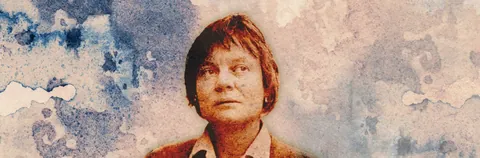
An essay on Iris Murdoch's moral philosophy and her metaphysics of the Good.
An Aeon essay on how treating art, religion and sex as means to an end drains them of intrinsic value.
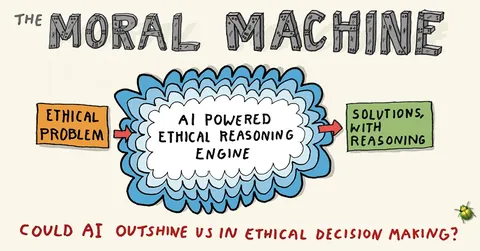
The host's own essay asking whether philosophers' theories of ethics, from Bentham onwards, could guide AI decisions.
Jeremy Bentham was a fascinating character. I wrote a bit about him in this article. An extract:
Jeremy Bentham (1748-1832) was a rather silly English philosopher. He had a cat called the Reverend Sir John Langbourne, a pet teapot named Dickie and a pet pig that (allegedly) slept in his bed. He invented underpants.
(See the side note about him inventing underpants)
An essay arguing that being willing to look foolish is a real advantage in creative work.
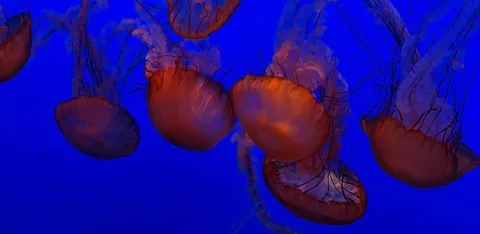
If you could somehow give evolution a sense of embarrassment, so if every time it produced a fish with no fins or a bird with no wings, it felt a deep sense of shame and promised to be more careful next time – evolution would no longer work. It needs to be able to explore the fitness landscape with bad traits in order to produce good traits, and this exploration requires a willingness to produce unfit organisms. The only way evolution could get to the jellyfish was by being willing to produce the countless jellyfish-adjacent organisms which went extinct.
An essay arguing that good theories of complex systems may need billions of parameters rather than a few elegant equations.
How to act ethically when society and the economy constantly push us into compromises we would rather not make.
I’ve been thinking about the ethical topics highlighted in this essay a lot recently.
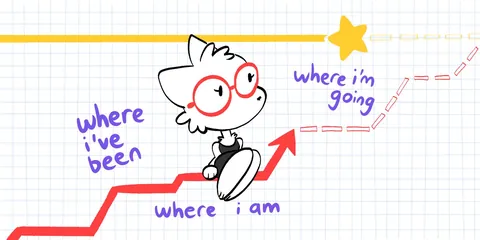
Nicky Case's illustrated ode to spreadsheets: tracking long-term goals as lines on a graph to stay motivated.
This idea of charting goals is really powerful I think. I’ve used it for various things, and I’m intending to use it for a lot more in 2026.
The deep past and the recent one.
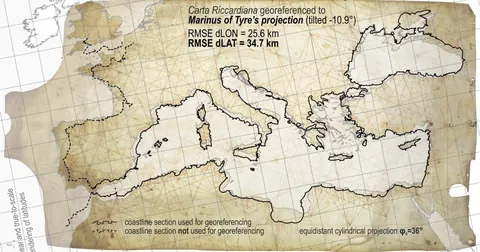
59Medieval portolan charts were uncannily accurate; a Croatian professor finds evidence they drew on ancient sources.
“The immense accuracy of coastline renderings on portolan charts, which, as far as is known, suddenly appeared in mid- to late-13th century, was never fully and objectively explained,” says Marelić.
This is fascinating. Evidence suggests that 13th century maps of the mediterranean may date back to Ptolemy, a Roman astronomer/astrologer born around AD 100. But then the question arises - how did Ptolemy make the original maps?
The bottom line seems to be we just don’t know how these maps were so accurate. We don’t know how they were made.
Akrotiri on Santorini, a sophisticated Bronze Age seafaring town buried by one of history's largest volcanic eruptions.
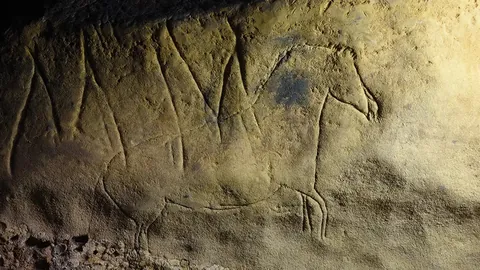
280 prehistoric engravings went unnoticed for 60 years in a Spanish show cave, some even scratched over by tourists.
WTF:
Although the cave reopened to exploration in the 19th century and became a tourist attraction in 1993, people did not recognize its prehistoric engravings until October 30, 2019.
A brief history of the idea of 'the West', and what 'Western civilisation' actually means.
A reflection on the life of Johannes Kepler, brilliant astronomer of Galileo's era, and the tragedies that shadowed it.
A Hebrew scholar's memoir explaining why he, like many German Jews, did not leave Nazi Germany in time.
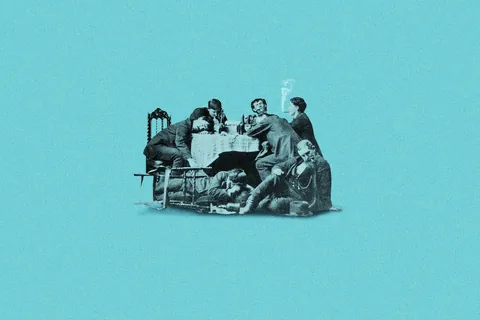
Why the Victorian elite who ran the largest empire in history partied all night, drank port and still got so much done.
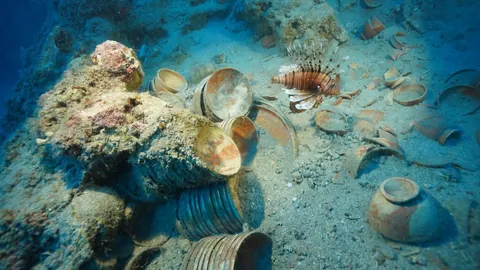
Thousands of fine dishes survive intact in a 2,100-year-old Mediterranean shipwreck.
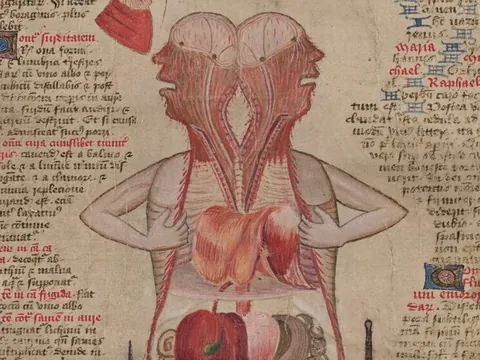
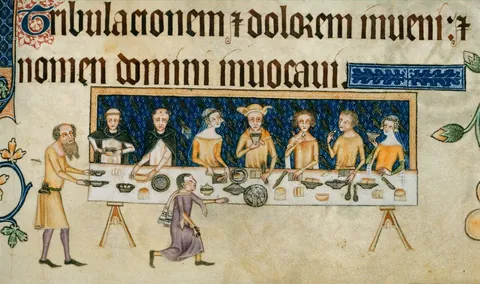
A 15th-century surgical scroll in the tradition of John of Arderne, whose patients cheerfully pry themselves open for the reader.
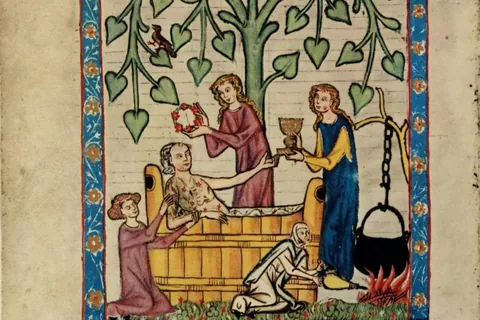
Medieval remedies for the mind included saffron and ostrich liver, but also exercise, gardens, animals, company and music.
What the polymath founders of Islamic science can teach students about breadth over specialisation.
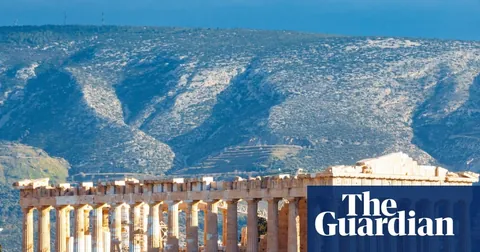
A mathematician challenges the long-held belief that the Parthenon's curves were designed to correct optical illusions.
A history of how people have verified that documents are genuine, from medieval charters to the age of disinformation.
The Bankes Homer, a remarkably well-preserved papyrus of the Iliad from around 150 CE, now digitised in high resolution.
How Japanese dry-goods shops for the elite grew into sprawling dreamworld department stores that ushered in mass consumption.
Japan has the most amazing department stores, better than anything you’ll find in Europe or the USA.
A clear animated tour inside the Enigma machine, showing how its rotors and plugboard scrambled German wartime messages.
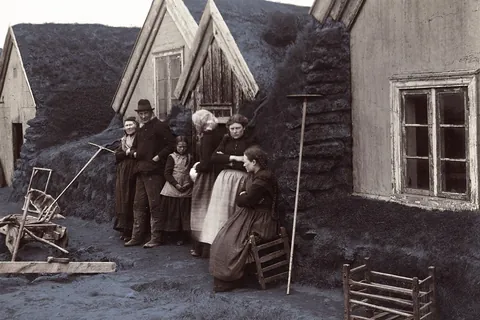
What life was really like inside Iceland's picturesque but damp and smoky turf houses.
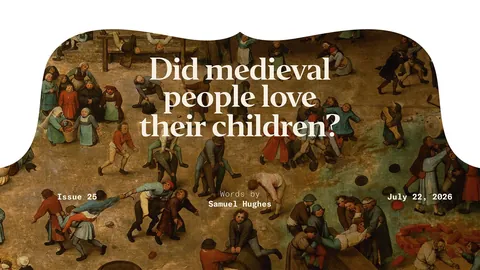
Did medieval parents love their children? An argument against the old idea that childhood was not valued.
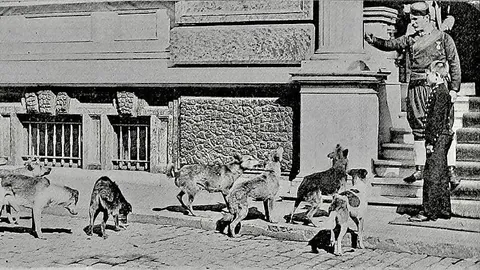
A history of the long campaigns waged against dogs in cities, from rabies panics to the dreaded spitz.
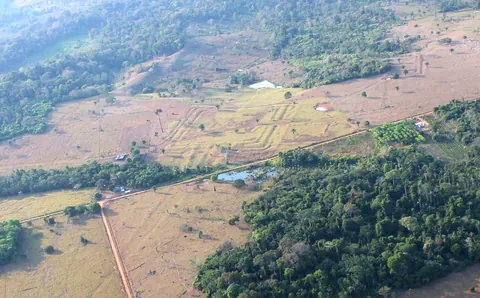
Hundreds of geometric geoglyphs hidden under the Amazon canopy reveal an ancient civilisation far bigger than thought.
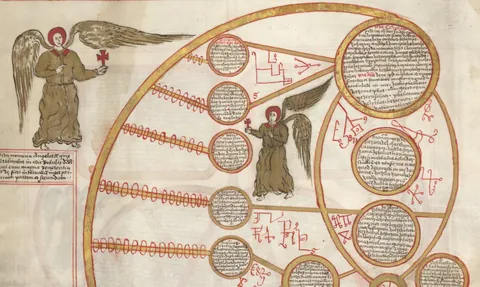
The Ars Notoria, a medieval magical manuscript that promised instant knowledge centuries before artificial intelligence.
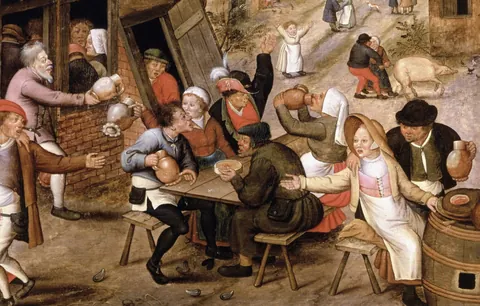
Medieval ideas about food, from Galen's humours to why fish was suspect and sugar thought healthy.
Adding flavourings was another popular way to make food both healthier and tastier. Honey was the most common sweetener; its warmth and dryness meant that it was good for old people and those with cold complexions, although it could cause thirst, itching and stomach problems. Sugar was very much a luxury commodity, although it became more widely available from the mid-fourteenth century—and whereas we fret about the dangers of eating too many sweet things, medieval people focused on its warm, moist qualities (which made it good for the lungs, kidneys and bladder), and saw it as a healthy option.
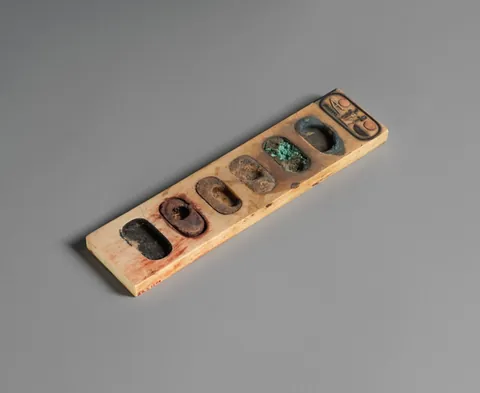
A 3,000-year-old Egyptian painter's palette that still holds traces of its original pigments.
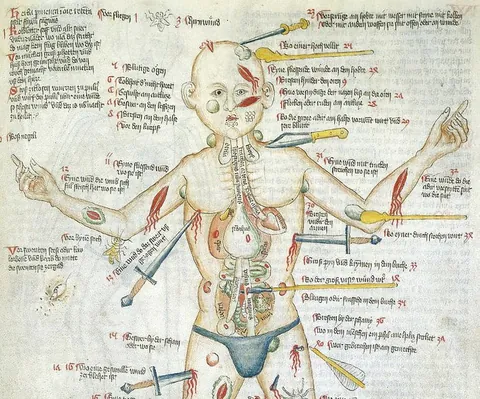
The curious history of the medieval Wound Man, a figure pierced by every weapon, used to illustrate surgical treatises.
How Victorians tried to fill museums with copies of the world's great artworks, and why it was a serious idea.
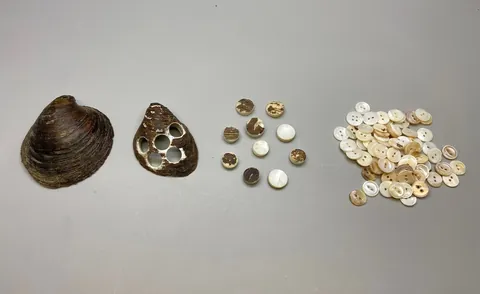
How a German button maker in Iowa built an industry from freshwater mussel shells, and what it did to the rivers.
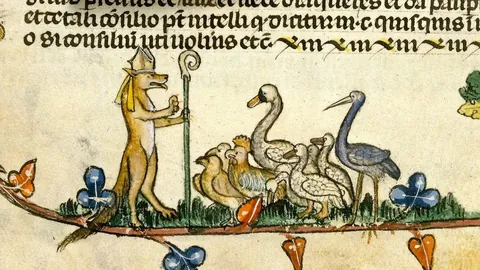
A friendly guide to understanding medieval marginalia, beyond the jokes about weird knights and snails.
How the Scythian steppe nomads were seen by Herodotus and others, and why they remain so elusive.
The buried castles of the Garamantes, a Saharan civilisation that built cities and traded with Rome.
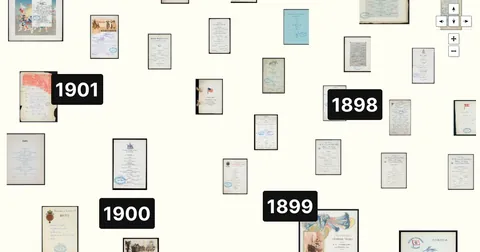
Explore 5,000 historic New York restaurant menus from 1880 to 1920 from the New York Public Library's collection.
For the first time an entire carbonised Herculaneum scroll, sealed since 79 AD, has been virtually unwrapped and read.
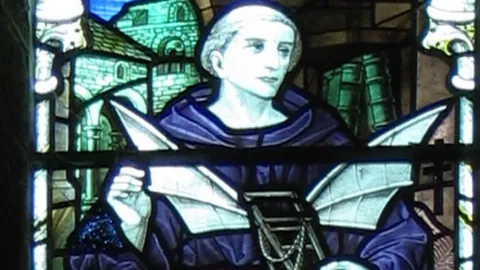
Did Eilmer, the eleventh-century 'flying monk' of Malmesbury, see two different comets in 1018 and 1066?
A long-hidden colour photo archive by US diplomat Martin Manhoff brings Stalin's Soviet Union vividly to life.
A historian compares AI's effect on jobs with the printing press and the fate of the scribes.
The gear of early modern stimulant culture, from coffee and tea services to snuff boxes and pipes.
How Edo-era Japan kept the peace for 300 years by confining its samurai in what may have been the world's least efficient city.
Stipends were generous for high-ranking samurai but very modest for the majority: in 1876 the Japanese state calculated that only 5.1 percent of samurai had stipends worth more than 100 yen, equivalent to a little over $4,000 today. The result was that most samurai lived in dignified but extreme poverty.
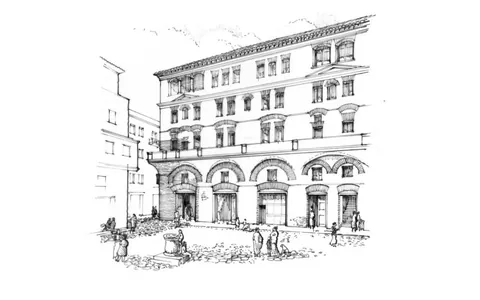
An excerpt from Dwelling on Earth on Roman apartment blocks and what high-density urban life was like 2,000 years ago.
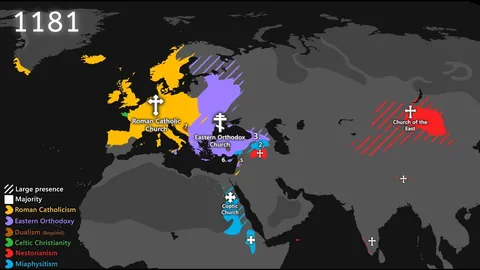
An animated map showing the spread of Christianity across the world year by year, from around 30 CE to the present.
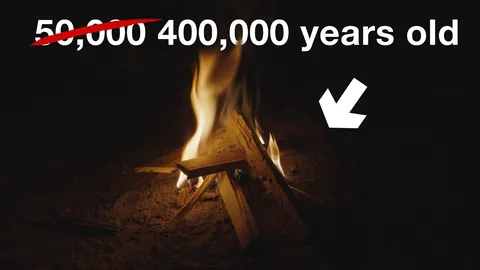
Researchers explain the find that pushed the earliest evidence of human-made fire back from 50,000 to around 400,000 years ago.
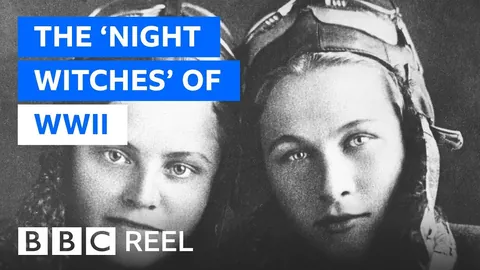
BBC Reel on the Soviet women-only regiment of 'Night Witches' who bombed German lines at night in flimsy biplanes.
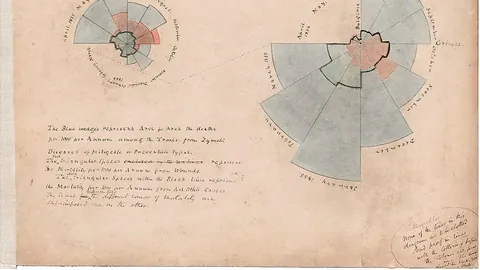
A look inside Florence Nightingale's Notes on Nursing and what her notebooks reveal about her practical, patient-centred thinking.
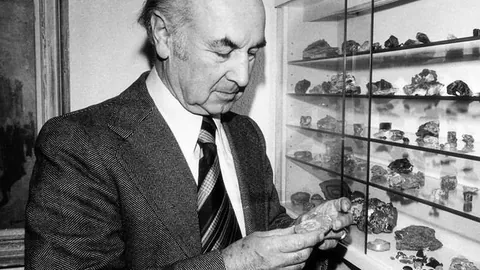
Albert Hofmann's own account, in a 1986 BBC interview, of accidentally taking the world's first LSD trip in 1943.
The video in this article is good. There is something amusing about having a posh BBC presenter talking about LSD experiences.
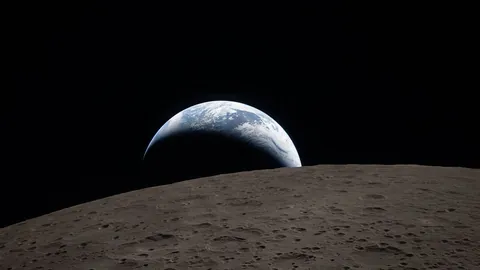
A history of images that changed humanity's sense of scale, from early America to the Artemis missions.
A study of 'hatiquette' and the hidden social power of hats in early modern England.
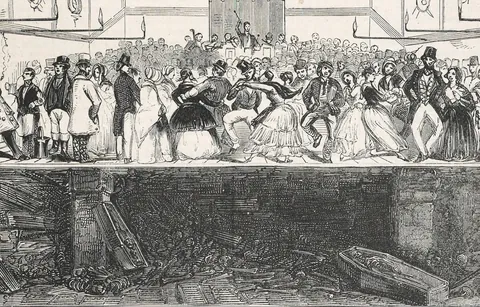
Roger Luckhurst on overflowing city graveyards, body snatchers and the reform of burial in 19th-century Britain.
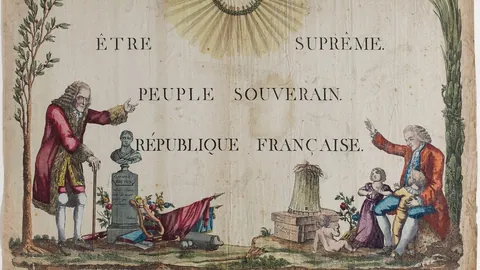
How revolutionary France attempted to replace Christianity with new cults of Reason and the Supreme Being.
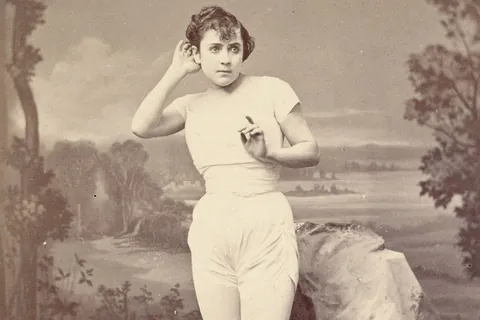
How 19th-century actresses in tragic leading roles captivated audiences while critics struggled with gender norms.
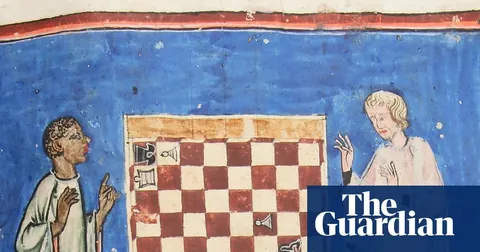
Analysis of medieval chess sets suggests a world where people of different backgrounds could meet as equals.
A study estimates that painting a Pompeii room in Egyptian blue cost up to 90% of a legionary's annual pay.
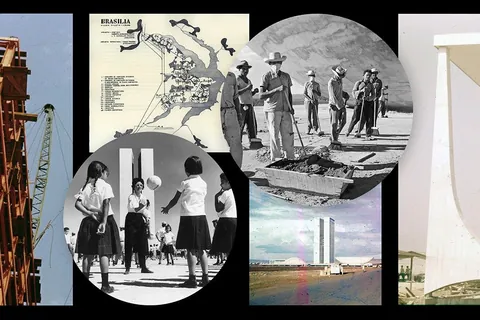
The story of Brasília, a 20th-century experiment in planned cities that promised progress at a huge human and financial cost.
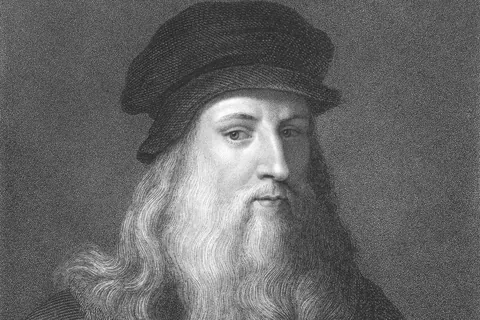
Leonardo da Vinci's to-do list from around 1490, full of wonderfully curious tasks.
My todo list needs more items like this:
Ask Benedetto Potinari (A Florentine Merchant) by what means they go on ice in Flanders Draw Milan Ask Maestro Antonio how mortars are positioned on bastions by day or night.
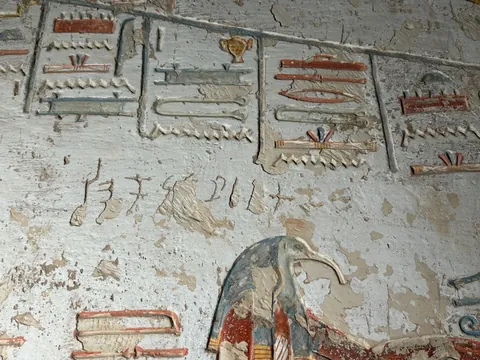
Thirty inscriptions in Indian languages show that travellers from India visited Egypt's Valley of the Kings some 2,000 years ago.
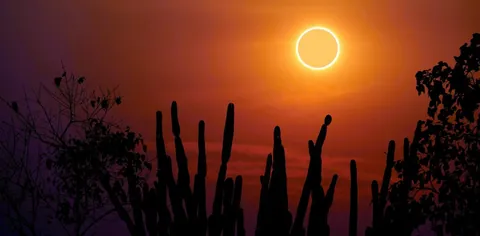
For millennia, solar eclipses were read as omens about the fate of rulers, which made them politically dangerous.
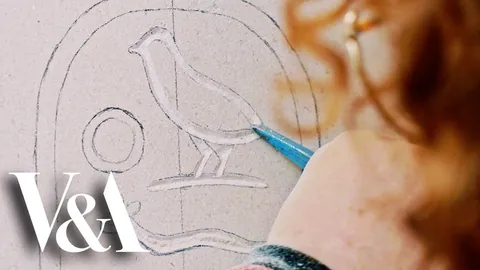
A stone carver hand-cuts a Khufu cartouche in hieroglyphs using only a mallet and chisel.
Mike Jay on how the word 'vampire' arrived in English in 1732 and the folk beliefs about the restless dead behind it.
Vampires!
How a medieval style of handwriting became the typeface associated with Nazi Germany, and why Hitler then banned it.
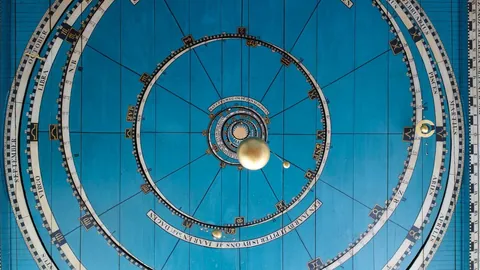
In the 1770s a Dutch wool carder built a working pendulum-driven planetarium into the ceiling of his canal house.
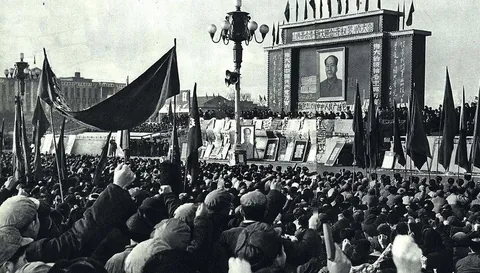
A memoir of a twelve-year-old in Chengdu swept up in the fervour of the Cultural Revolution.
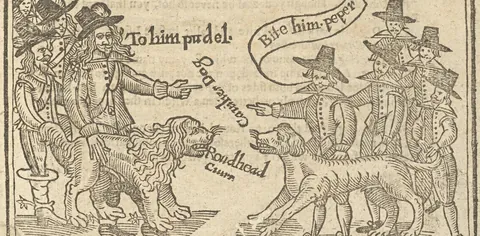
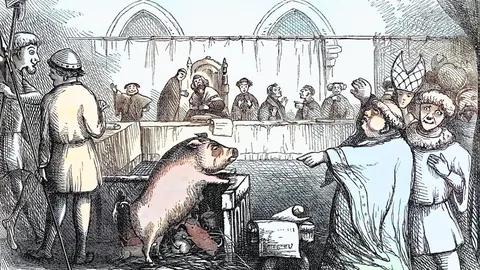
In medieval France, pigs that killed people could be put on trial and publicly executed, and the reasons why.
Painting, illustration, design, craft and photography.
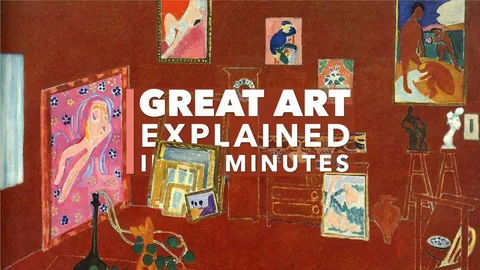
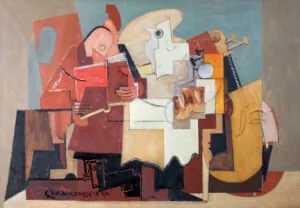
81An engaging explanation of Matisse's The Red Studio, the painting drenched in red that changed modern art.
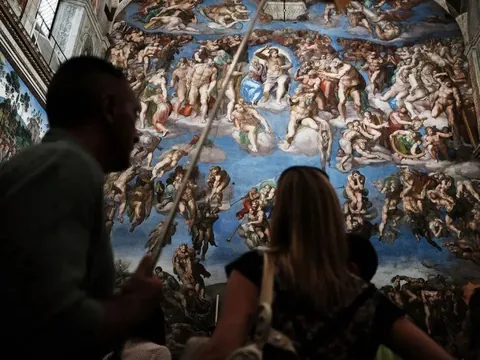
The first major restoration in 30 years of Michelangelo's Last Judgement reveals details of his cross-hatching technique.
Paolo Violini, the Vatican’s chief restorer, found that the artist set groups of parallel lines at perpendicular angles to one another, creating a cross-hatching effect. Significantly, Violini saw that even when these brushstrokes wobbled, the entire grouping of strokes wobbled in precisely the same way. “That meant one thing: Michelangelo was using special brushes with multiple heads, each with a small brush on the end of it, allowing him to produce parallel strokes with one large brush,” Violini told the Times. He believes Michelangelo made different types of brushes himself, “one with three heads and others up to 15 cm wide with up to ten brushes on them.”
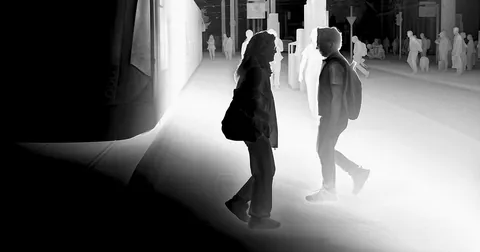
Vathography uses a photograph's detailed depth map as a creative medium, revealing the image's hidden volume.
Some of these images are great. A whole new type of photographic image
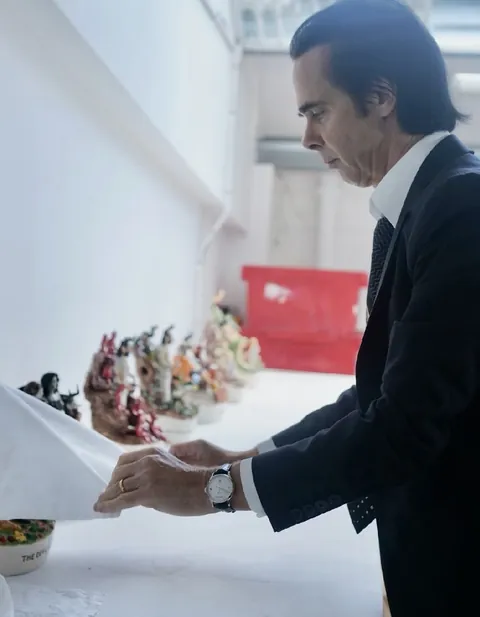
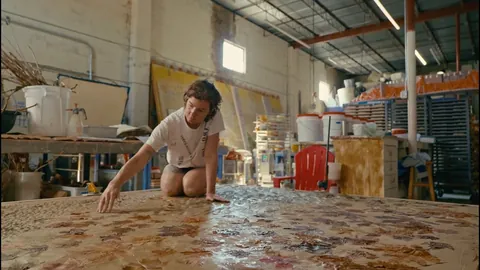
Nick Cave describes spending his month off making a new series of ceramic figures with his assistants.
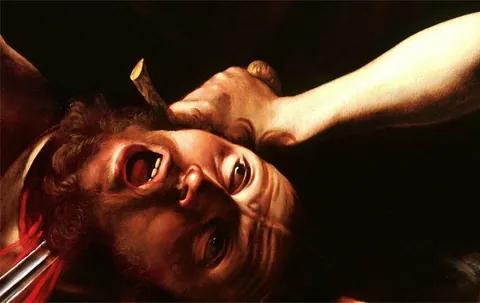
A gleefully opinionated ranking of ten paintings of Judith beheading Holofernes, from Caravaggio to Artemisia Gentileschi.
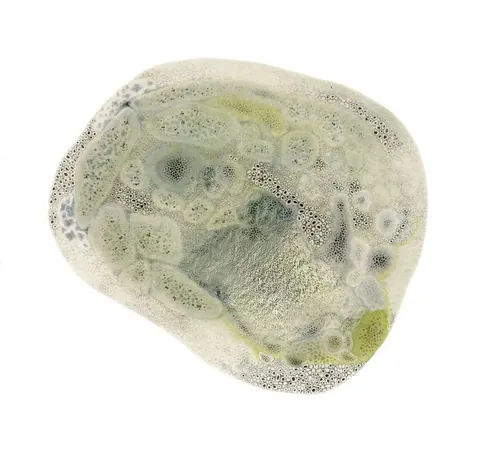
Rose Sanderson's intricate paintings of lichen in acrylic and coloured pencil.
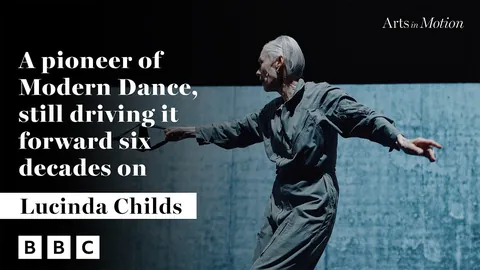
Lucinda Childs on making dances out of walking and repetition, and the egg-throwing hostility minimalist choreography first met.
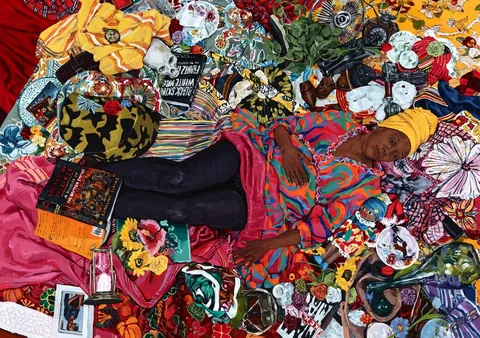
Wangari Mathenge's 'Re-Membering' paintings, exploring identity, culture and human connection.
The winning panoramic photographs of 2026, from sweeping landscapes to aerial views.
Robin F. Williams's large, strikingly stylised oil paintings, with titles like 'The Girl Who Got Away' and 'The Cult'.
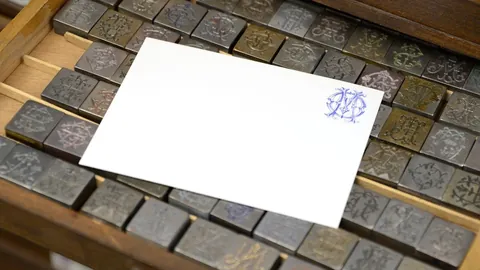
A Paris stationery shop keeping alive the 400-year-old art of pendulum stamping, once used for presidents and diplomats.
Winning images from Wildlife Photographer of the Year 2026, from underwater scenes to urban wildlife.
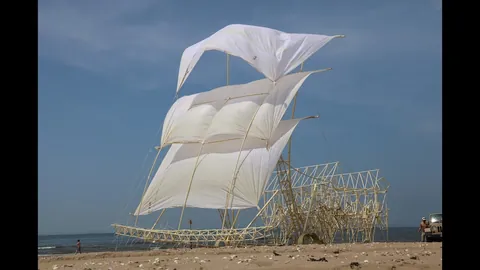
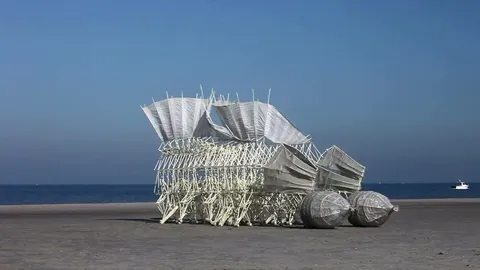
A short film about Theo Jansen, whose wind-powered Strandbeests walk across Dutch beaches like living creatures.
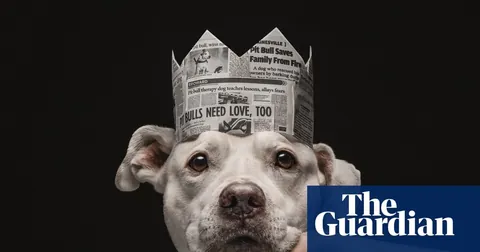
The 18 winning images of the 2026 Dog Photography Awards, chosen from about 1,900 entries from 50 countries.
This year's finalists in the Comedy Wildlife Photography Awards: animals caught at their most absurd moments.
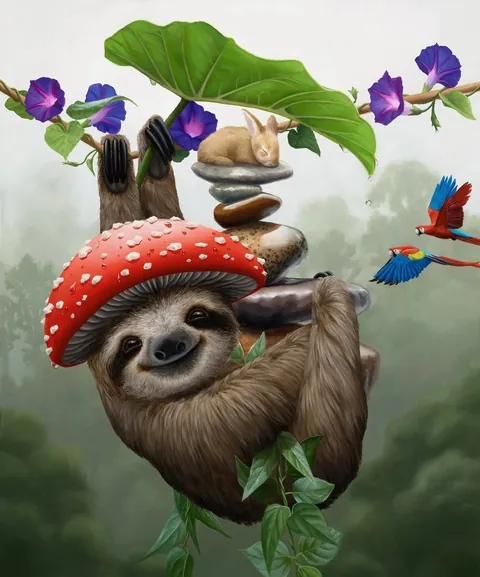
Jon Ching's surreal wildlife paintings, where animals merge with plants, minerals and other unlikely forms.
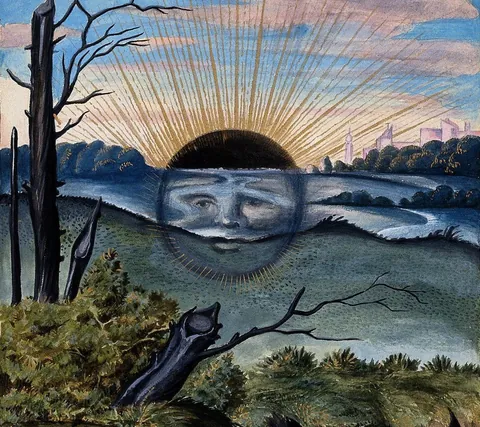
A gallery of strange and wondrous alchemical diagrams spanning centuries of esoteric imagery.
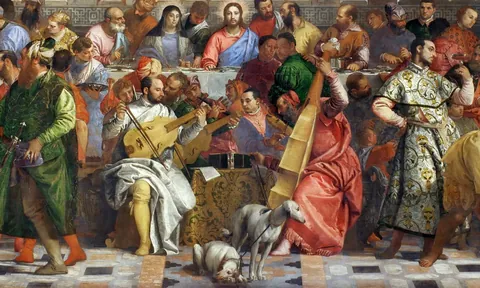
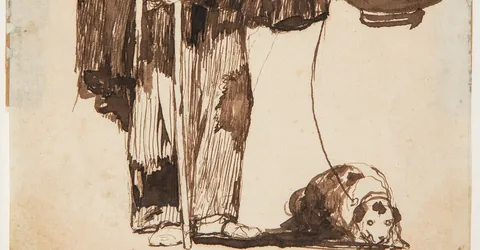
An essay on the attentive dogs that populate Veronese's paintings, and what they say about devotion and attention.
The winning images of Bird Photographer of the Year 2026, chosen from over 24,000 entries.
The sculpture of Barcelona artist Jaume Plensa, known for monumental heads and figures made of letters.
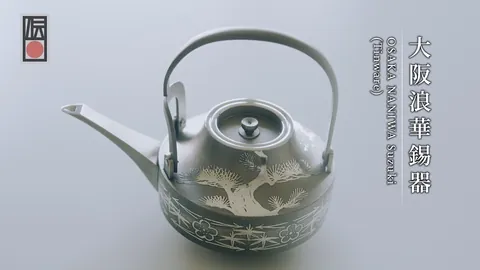
A short film showing Osaka's traditional craft of tinware, a skill brought to Japan some 1,300 years ago.
An essay on what Burning Man's art in the Black Rock Desert has meant for the wider art world.
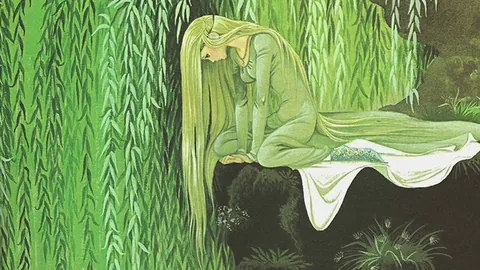
An illustrated bibliography of the twin sisters who illustrated mid-century fantasy, mythological and children's books.
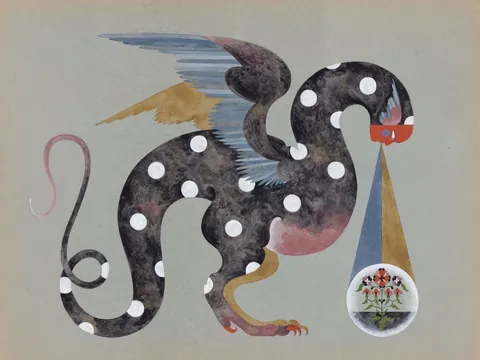
Illustrator Lou Benesch's portfolio of tarot decks, bestiaries, fairy-tale commissions and ink drawings.
Architecture critic Michael Kimmelman looks at the overlooked symbols and signs that shape city streets.
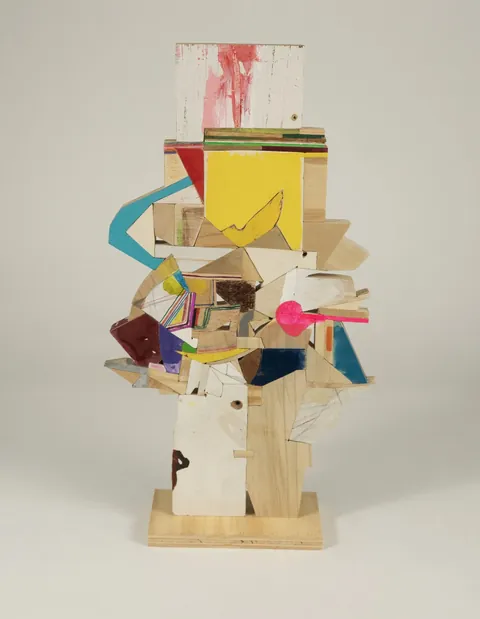
Small, playful painted wood sculptures by Damien Hoar de Galvan, assembled from scraps with acrylic, spray paint and ink.
Macro photographers describe the demanding craft of capturing insects and other tiny creatures at extreme close range.
Chicago- and Seoul-based artist Sungho Bae's strange speculative works, including a 'New Galápagos Islands' series on evolution by market selection.
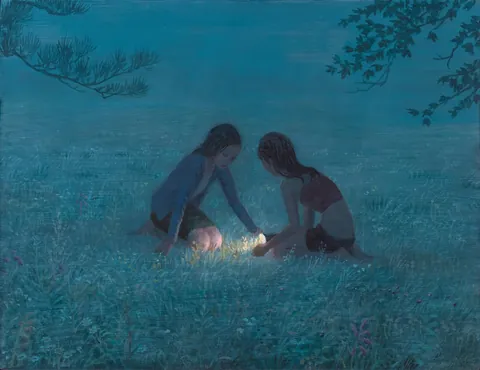
Aron Wiesenfeld's quiet, dreamlike paintings of solitary young figures in mysterious landscapes.
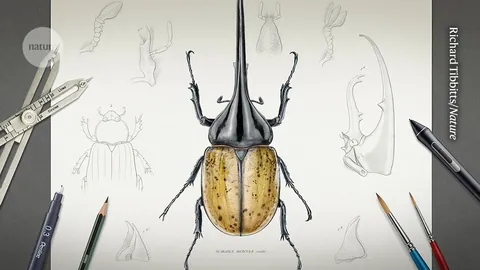
Nature talks to five scientific illustrators about their craft and how AI may change it.
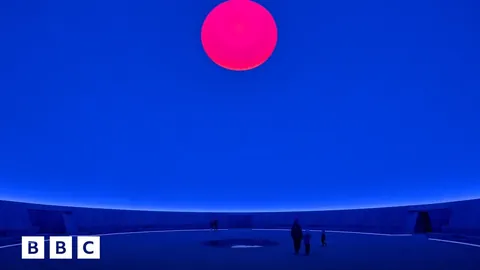
The BBC gets exclusive access to James Turrell's largest and most ambitious Skyspace.
Jason Limon's paintings of skeleton figures drawing on vintage packaging design and early twentieth-century nostalgia.
The estate's archive of Ana Mendieta's work, including her haunting Silueta series of body-shaped earth works.
Jay Lichter's vivid macro photographs of mushrooms, slime moulds and other fungi in New Zealand.
Photographer Rob Hann's quiet, atmospheric images of the American desert, from Mojave to Twentynine Palms.
A short documentary on the making of Kate Newby's permanent artwork The Sound of Trees for Portland airport.
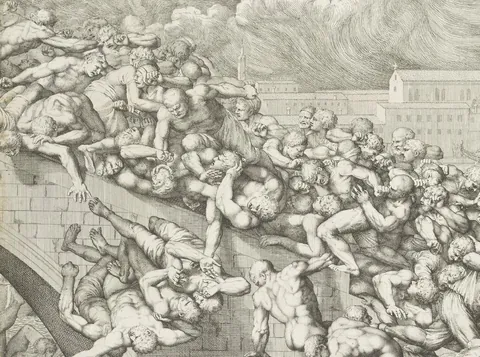
Seventeenth and eighteenth-century paintings of the organised brawls Venetians once staged on their bridges.
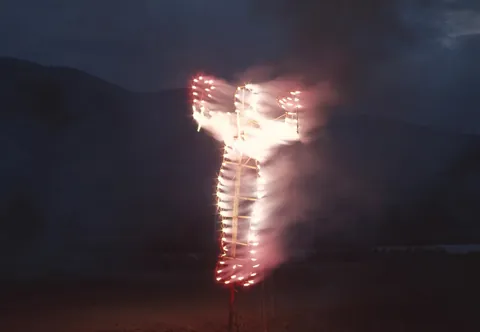
British sculptor Tim Shaw's powerful, often disturbing large-scale works, including Man on Fire.
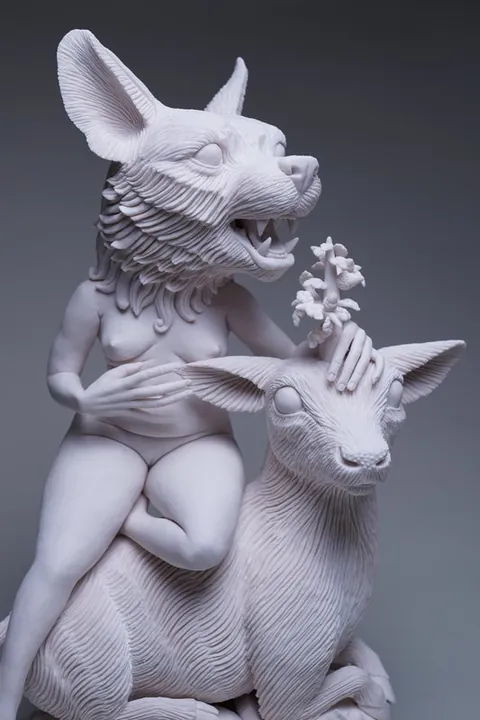
Crystal Morey's porcelain sculptures blend animals, humans and landscape in reflections on the natural world.
Beth Cavener's startling ceramic animal sculptures, charged with tension and raw emotion.
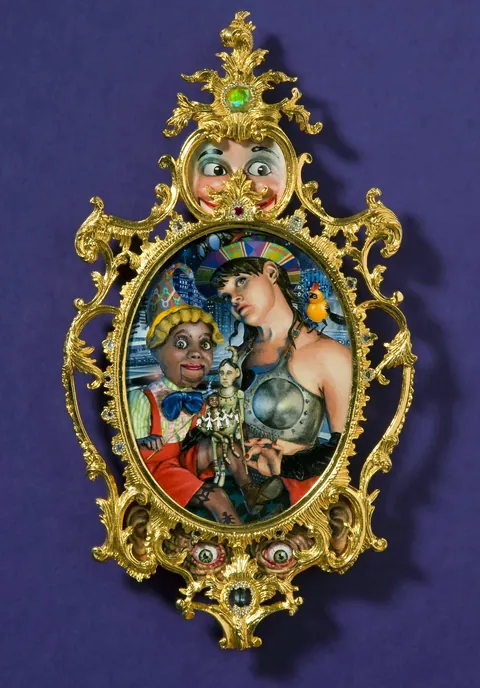
Canadian artist Chris Millar makes intricate, fantastical works that are part painting, part sculpture, part narrative.
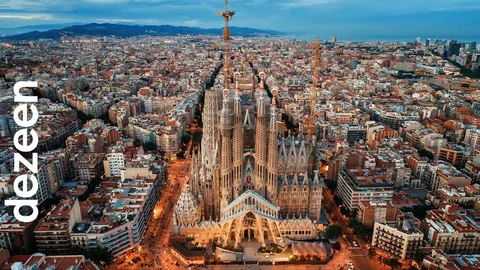
A Dezeen film for the Gaudí centenary exploring the influences, ideas and techniques behind his distinctive architecture.
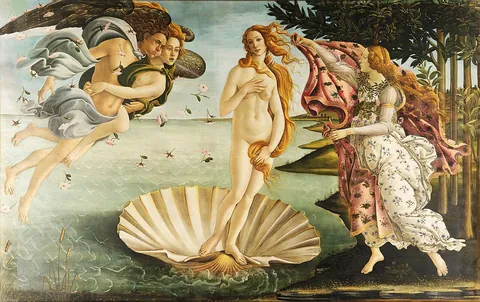
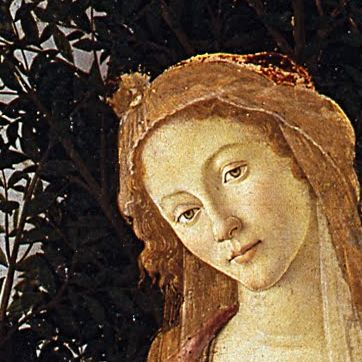
Researchers propose a new theory for the early death of Simonetta Vespucci, reputed model for Botticelli's Venus.
How mystic Olga Fröbe-Kapteyn assembled the Eranos visual archive of images from the collective unconscious.
A catalogue of named colours with documented histories, from the lead white of Vermeer's pearl earring onward.
A collection celebrating under-appreciated artists of the 1960s and 70s counterculture, packed with psychedelic imagery.
Some great hippie imagery here
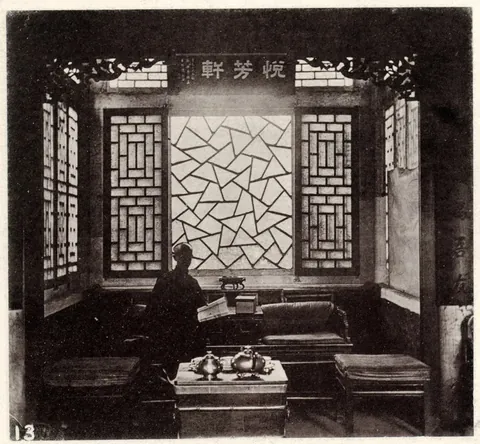
Scottish photographer John Thomson's remarkable images of China made on journeys between 1868 and 1872.
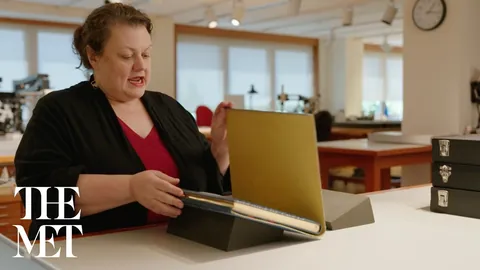
A Met paper conservator examines a unique nineteenth-century illustrated volume, La Fin du monde.
Historian Thomas Laqueur on dogs and the meaning of the way they look at us.
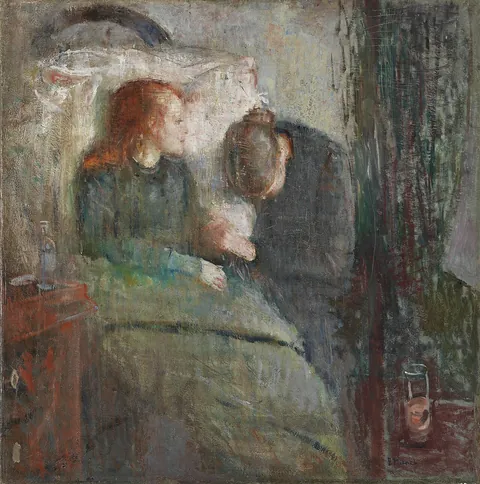
Karl Ove Knausgaard on Edvard Munch's The Sick Child and the films of Lars von Trier.
Canadian artist Ava Roth combines encaustic painting, embroidery and mixed media in work rooted in reverence for the natural world.
Artist Doug MacDowell spent fifty hours hand-drawing data visualisations, and explains the process.
Winning images from the German Society for Nature Photography's annual contest, from a lunging frog to penguins on the move.
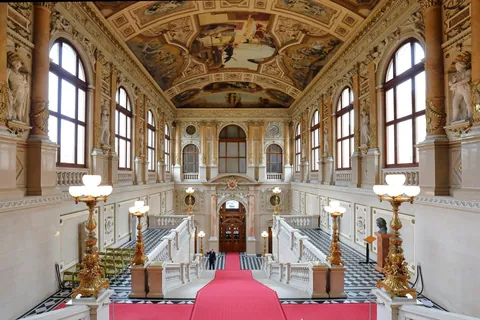
Visitors can now see Gustav Klimt's early ceiling paintings in an Austrian theatre up close for the first time.
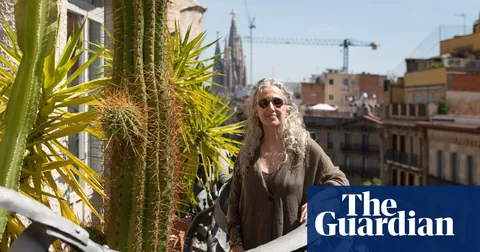
One of the last residents of Gaudí's Casa Milà in Barcelona on nearly 40 years of living inside a world heritage site.
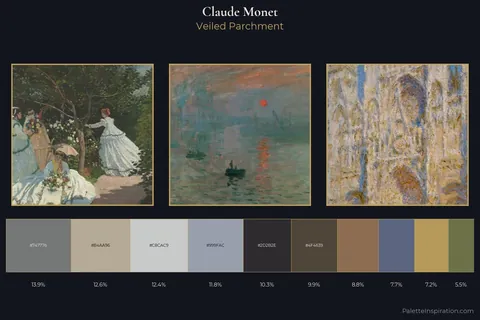
Browse and filter colour palettes drawn from the paintings of the Old Masters.
The New York Times' T Magazine on the most influential chairs of modern times.
Marina Abramović and Ulay recall their final joint performance, walking the Great Wall of China to say goodbye.
Two remarkable miniaturists, including a man who built a detailed tiny city for his cats.
An archive and book preserving the design legacy of the British branded matchbook, once a fixture of pubs and restaurants.
Kathleen Ryan's sculpture, including her giant rotting fruit encrusted with semi-precious stones.
Amazing work. Love it!
The colour theory behind the seafoam green that painted so many mid-century control rooms and factories.
Winning images from Nikon's Small World photomicrography competition, revealing astonishing worlds at microscopic scale.
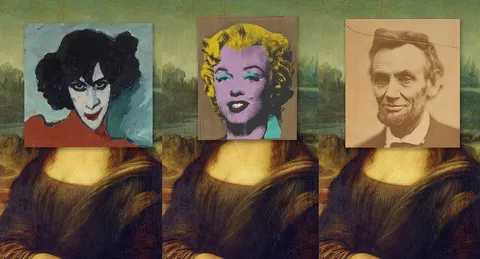
Which object does each museum consider its own 'Mona Lisa'? A tour of institutions' star attractions.
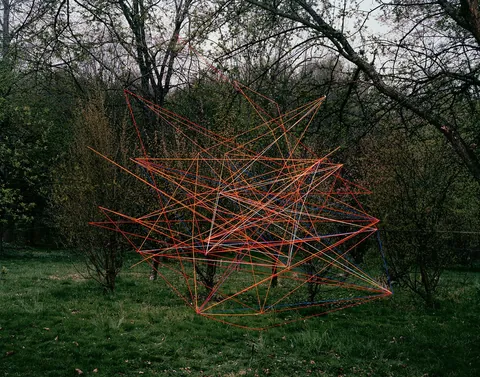
Thomas Jackson photographs everyday objects arranged into swarming, flock-like forms suspended in real landscapes.
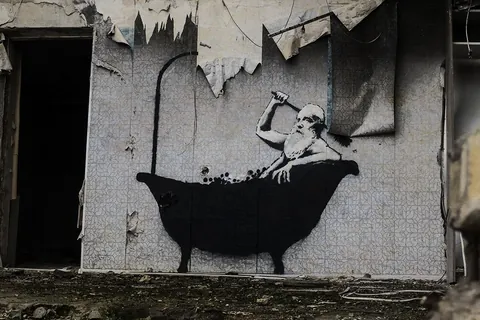
A Reuters investigation uncovers records revealing Banksy's real identity and the new name he later adopted.
Theo Jansen's annual update on his wind-powered Strandbeests, beach creatures he has been evolving since 1990.
A single searchable collection of some 140,000 artworks from 22 museums, many free to download and reuse.
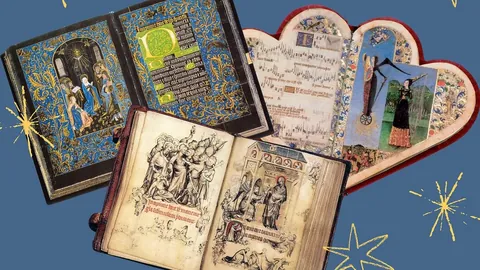
A guide to 25 digitised medieval manuscripts that anyone can browse online.
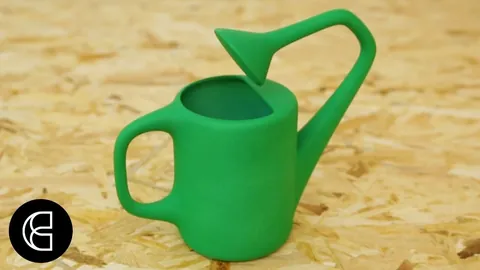
Architect Katerina Kamprani designs everyday objects that look normal but are deliberately infuriating to use.
The winning images of the 2026 British Wildlife Photography Awards.
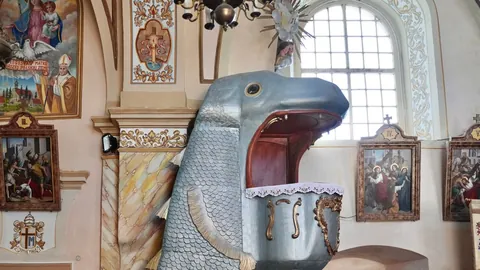
The curious 18th-century fashion in central Europe for church pulpits shaped like ships, whales and seashells.
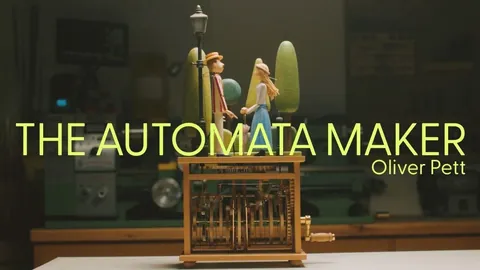
A short documentary about Oliver Pett, a maker of whimsical mechanical automata, and the sacrifices of a life of making.
Explore high-resolution 3D models of key objects from the Metropolitan Museum's collection, viewable from every angle.
High resolution 3D versions of key objects in The MET collection - select an object and then click the “View in 3d” bottom right.
A browsable archive of mid-century illustration, from book covers to beer mats, organised by decade and format.
Portraits created by striking sheets of glass with a hammer, so the cracks form the image.
Small, playful installations left in public places for passers-by to stumble upon.
A searchable database of thousands of Japanese woodblock prints from ukiyo-e to shin hanga.
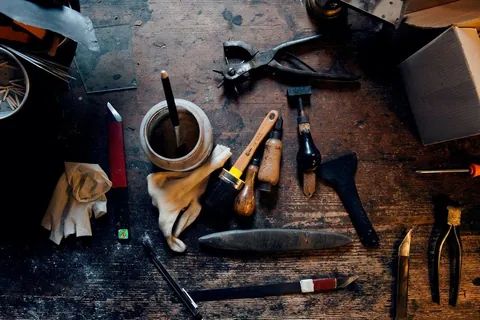
A detailed guide to how fine watercolour brushes are made, from the hair tuft to the ferrule.
Learnt a new word:
The ferrule is the metal collar that connects the tuft to the handle, supports the tuft during painting, protects the end of the wood handle from moisture, and determines the size and shape of the brush.
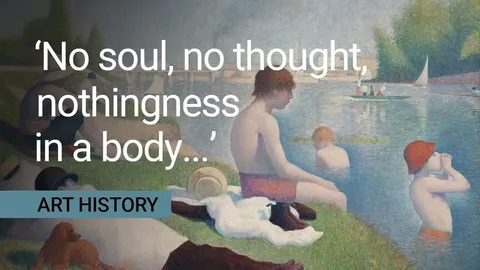
A National Gallery look at the subtly unsettling figures in Seurat's 'Bathers at Asnières'.
A great analysis of Bathers at Asnières. It’s easy to forget when looking at paintings that the artists often spent a long time thinking about all the elements in the painting, and are communicating a message with the work.
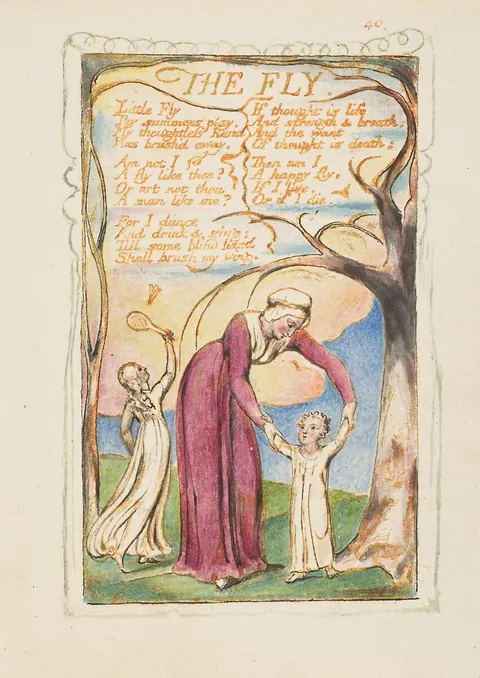
Blake's hand-coloured relief-etched plate of his poem 'The Fly', from Songs of Innocence and of Experience.
He whose face gives no light, shall never become a star. William Blake.
Performances, recordings and the stories behind them.
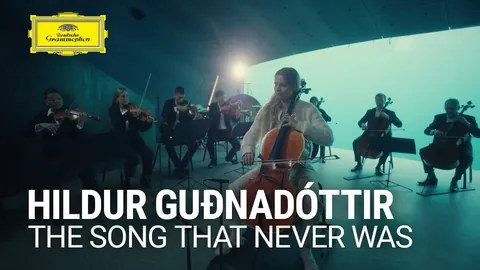
60Icelandic composer Hildur Guðnadóttir performs 'The Song That Never Was' from her album This Will Be Us.
Sabine Devieilhe and Marianne Crebassa sing the shimmering Flower Duet from Delibes's opera Lakmé.
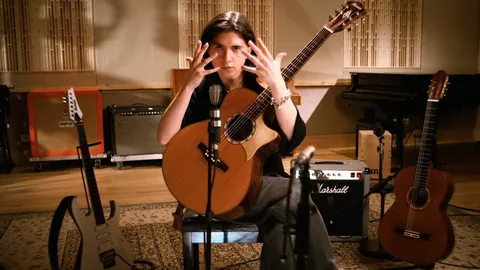
Virtuoso guitarist Marcin plays his fiendishly difficult percussive composition 'Bite Your Nails' live on one acoustic guitar.
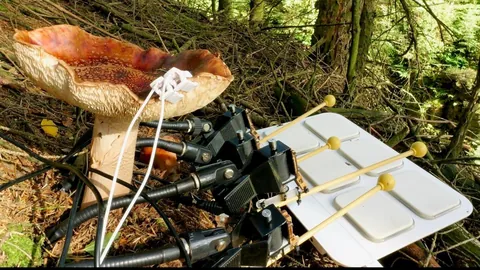
A wild mushroom's bioelectrical fluctuations drive robotic arms that play a synthesiser out in the forest.
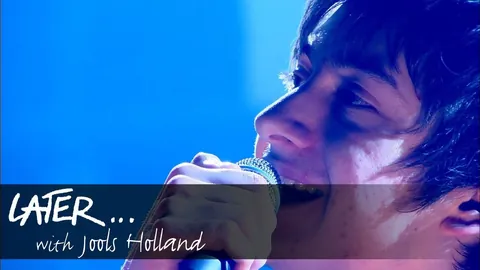
A young Arctic Monkeys play 'I Bet You Look Good on the Dancefloor' on Later... with Jools Holland in 2005.
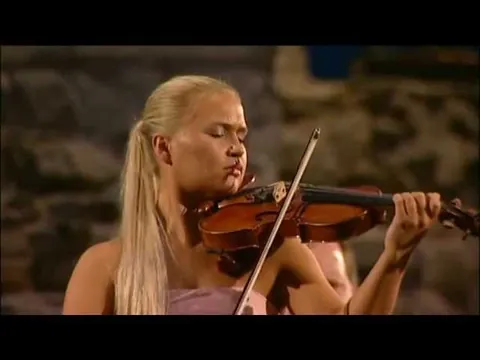
Violinist Mari Samuelsen and the Trondheim Soloists play the stormy 'Summer' from Vivaldi's Four Seasons.
The Danish Radio Girls' Choir sings a haunting live arrangement of Billie Eilish's 'When the Party's Over'.
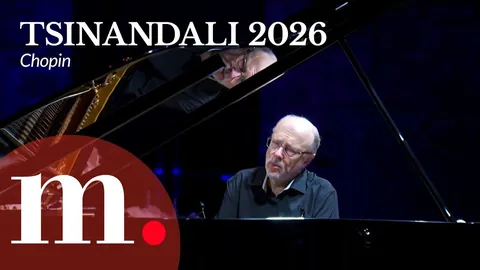
Pianist Marc-André Hamelin plays the famous funeral march from Chopin's Second Piano Sonata at the Tsinandali Festival.
An essay asking what music lessons for children are really for, beyond discipline and other sound practical reasons.
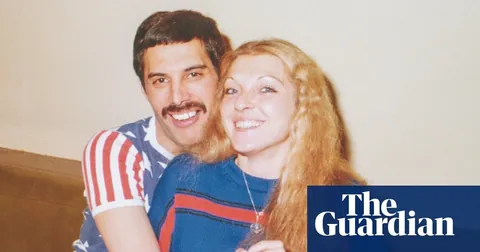
Mary Austin talks about her life with Freddie Mercury, from girlfriend to lifelong best friend after he came out.
They’d been living together for four years when Mercury said he had something to tell her. He struggled to get the words out. He said, ‘I think I’m bisexual.’ I said ‘No, Freddie, I think you’re gay.’” He didn’t argue. Was that a huge upset? “No, it was a huge relief, because I wasn’t sure whether we were travelling in the same direction any more. Some time earlier I saw a dress and thought, that would be a really nice wedding dress. I asked Freddie, is it worth me buying it, and he looked at me and shook his head. So I knew from there on …”
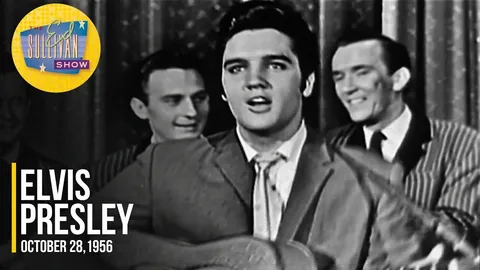
Elvis Presley performs 'Hound Dog' on The Ed Sullivan Show in October 1956, at the height of his early fame.
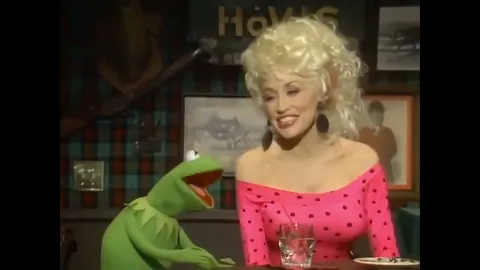
Dolly Parton and Kermit the Frog duet on Sly and the Family Stone's 'Everyday People' on her 1987 variety show.
Dolly Parton died yesterday, aged 80.
Huw Montague Rendall and Elisabeth Boudreault sing the joyful Papageno–Papagena duet from Mozart's The Magic Flute.
Translation: PAPAGENO Pa-Pa-Pa-Pa-Pa-Pa-Papagena!
PAPAGENA Pa-Pa-Pa-Pa-Pa-Pa-Papageno!
PAPAGENO Are you really all mine now?
PAPAGENA Now I really am all yours.
PAPAGENO So now be my darling little wife!
PAPAGENA So now be the little dove of my heart!
PAPAGENO, PAPAGENA What a pleasure that will be, when the gods remember us, crown our love with children, such dear little children!
PAPAGENO First a little Papageno!
PAPAGENA Then a little Papagena!
PAPAGENO Then another Papageno!
PAPAGENA Then another Papagena!
PAPAGENO, PAPAGENA Papageno! Papagena! It is the greatest feeling that many, many Pa-Pa-Papagenos, Pa-Pa-Papagenas may be a blessing to their parents.
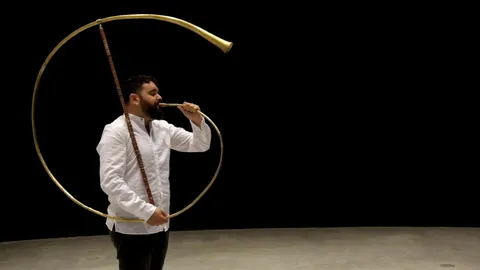
The sound of a reconstructed Roman cornu, a giant curved horn rebuilt from instruments found at Pompeii.
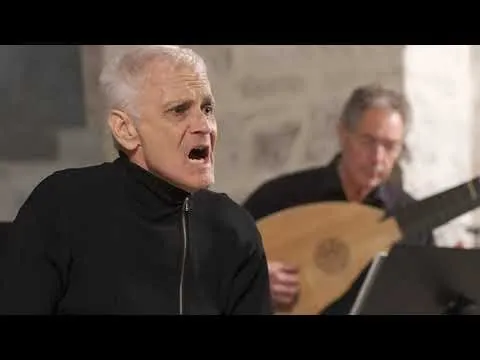
Countertenor Gérard Lesne sings Purcell's eerie, shivering 'Cold Song' from King Arthur with Le Concert Universel.
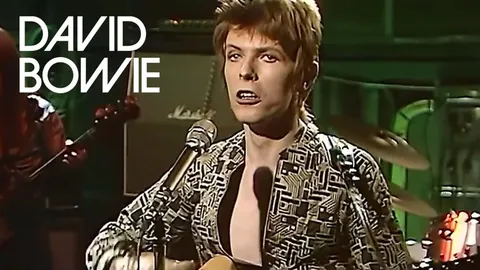
David Bowie performs 'Five Years', his song about the world's last days, on the BBC's Old Grey Whistle Test in 1972.
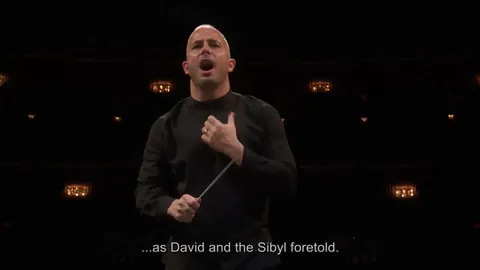
Yannick Nézet-Séguin leads the Met Orchestra and Chorus in the thunderous Dies irae of Verdi's Requiem, marking the 9/11 anniversary.
If I reach 90 I want to go to the top of a mountain in a thunderstorm wearing a “Better to reign in Hell than serve in Heaven" t-shirt and play this music really loud on big speakers and see if I can provoke the gods to strike me down with lightning.
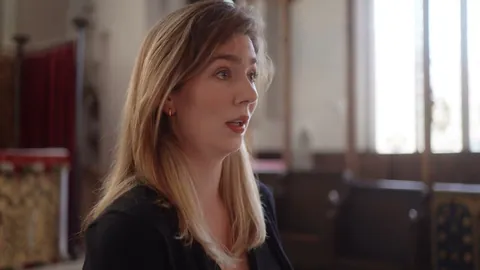
A father-and-daughter sean-nós singing performance from Other Voices, recorded in a remote Welsh church on the clifftops at Mwnt.
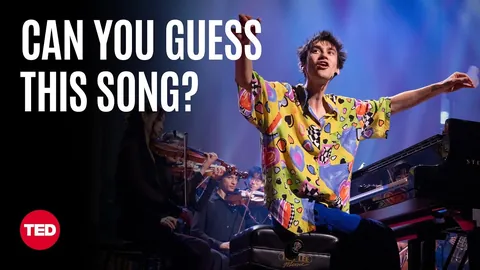
Jacob Collier conducts an orchestra in a song none of the musicians know in advance, in a joyful TED experiment.
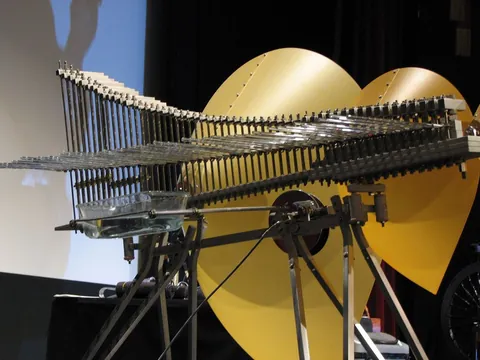
The Cristal Baschet, an instrument of glass rods played with wet fingers, invented by the Baschet brothers in 1952.
The Marian Consort sings Hildegard of Bingen's 'O viridissima virga'.
Robert Glasper performs Radiohead's 'Everything in Its Right Place' at the Fondation Louis Vuitton.
Viols and voice ensemble Intesa performs Caccini's love song 'Dalla Porta d'Oriente' in a Voces8 Centre session.
A duet of konnakol, the South Indian art of vocal percussion, performed by V Shivapriya and BR Somashekar Jois.
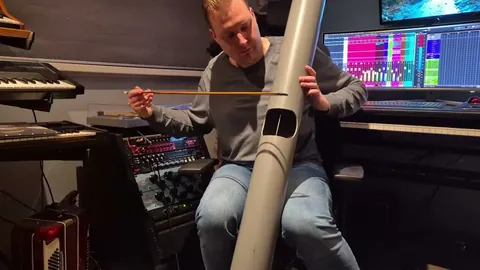
A double bass string stretched inside a drainage pipe and run through an amp produces an extraordinary sound.
The story of the Lauterbach Stradivarius, a celebrated violin looted and lost, and the search for it.
Soprano Elena Stikhina sings 'O patria mia' from The Royal Opera's production of Verdi's Aida.
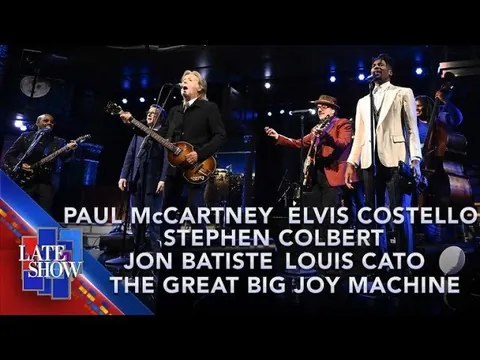
Paul McCartney, Elvis Costello, Jon Batiste and others play 'Jump Up' and 'Hello Goodbye' to close The Late Show.
Sterling Elliott and Joseph Havlat perform Amy Beach's Romance, Op. 23, at the Concertgebouw in Amsterdam.
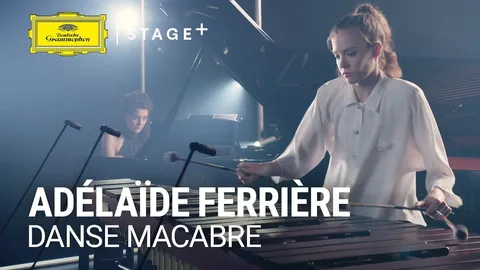
Adélaïde Ferrière and Sarah Tysman play Saint-Saëns's Danse macabre in a dazzling arrangement for marimba and piano.
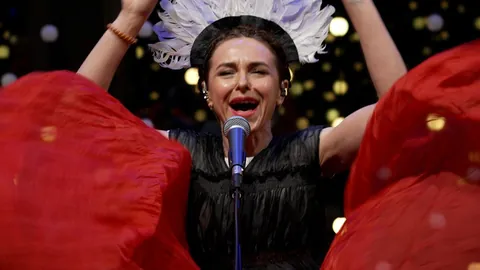
Spanish singer and multi-instrumentalist Amaia plays a Tiny Desk concert for NPR.
Evangelina Mascardi plays Bach's Lute Suite in E major, BWV 1006a, on the baroque lute.
Jacob Collier composes and conducts a song with an orchestra in real time, building it up live in front of us.
Yo-Yo Ma plays Anna Clyne's 'In the Gale', part of the Birdsong Project of music inspired by birds.
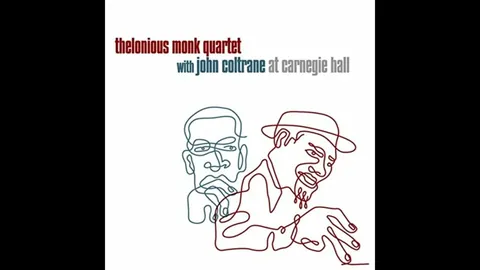
The legendary 1957 Carnegie Hall concert of the Thelonious Monk Quartet with John Coltrane.
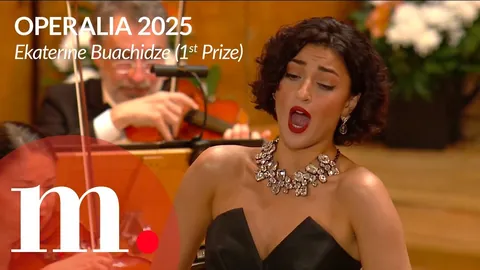
Georgian soprano Ekaterine Buachidze's first-prize performance at Operalia, the World Opera Competition, in 2025.
Childish Gambino's 'This Is America', one of the most discussed and dissected music videos of its era.
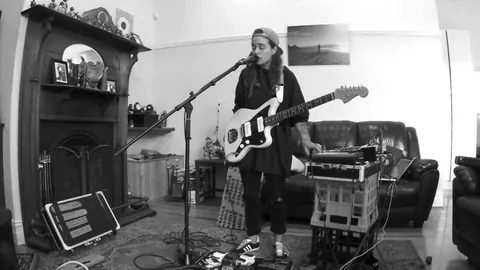
Tash Sultana builds 'Jungle' alone in a bedroom with guitar and loop pedals, in the recording that made them famous.
Laufey sings Joni Mitchell's 'Both Sides Now' with the BBC Concert Orchestra in the Radio 2 Piano Room.
A collection of obsolete and disappearing sounds, from old machines to vanished places, reimagined by artists worldwide.
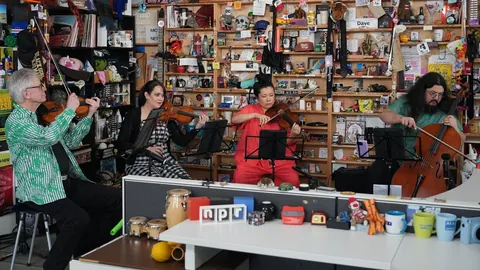
The adventurous Kronos Quartet return to NPR's Tiny Desk for a rare second appearance.
Ukrainian band YAGODY perform a joyous folk-rooted song live in the KEXP studio.
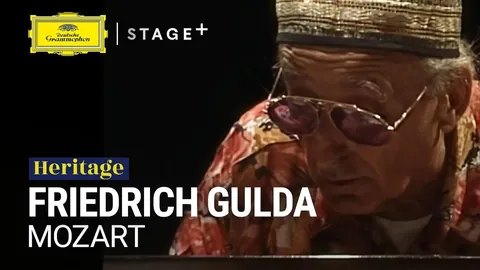
Friedrich Gulda plays the finale of Mozart's Piano Sonata No. 13, K. 333, with characteristic lightness and wit.
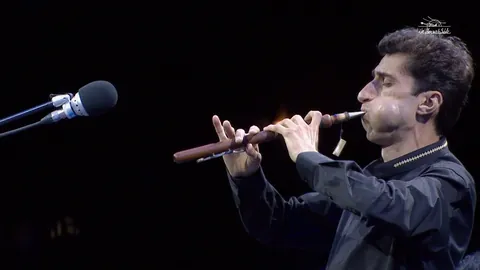
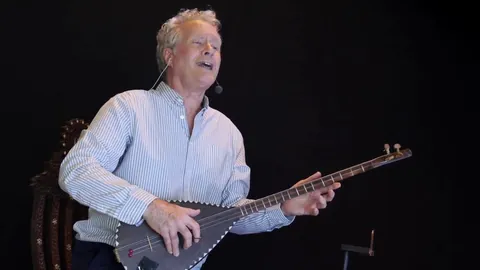
A live orchestral performance of Hans Zimmer's 'Only I Will Remain' from Dune: Part Two, led by the ancient Armenian duduk.
The Armenian duduk is an ancient double-reed woodwind instrument crafted from apricot wood,
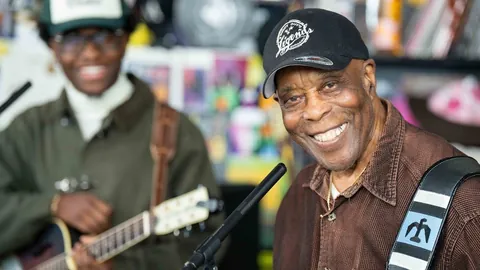
Blues elder statesman Buddy Guy, nearly 90, plays a fiery Tiny Desk set on his polka-dot Stratocaster.
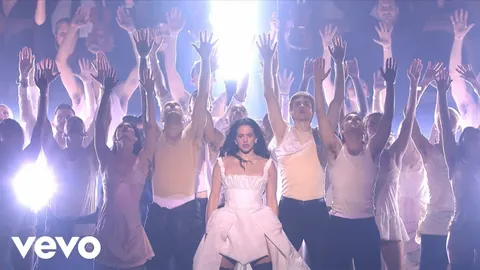
Rosalía and Björk perform 'Berghain' together at the 2026 BRIT Awards.
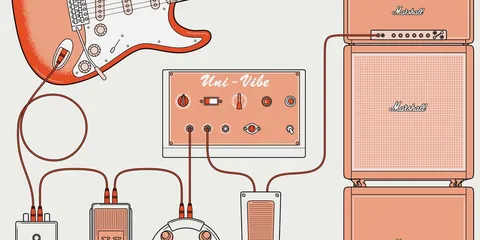
An engineer's analysis of how Jimi Hendrix precisely controlled feedback and modulation to shape his sound.
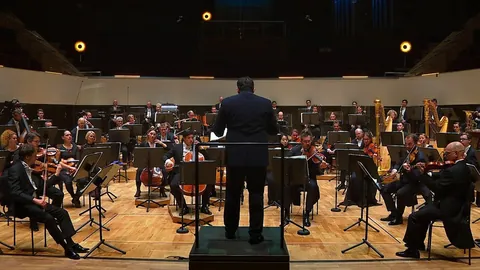
The Leipzig Gewandhaus Orchestra plays Tchaikovsky's Sugar Plum Fairy, its magic carried by the bell-like celesta.
I never realised that the main instrument in Sugar Plum Fairy is a keyboard instrument
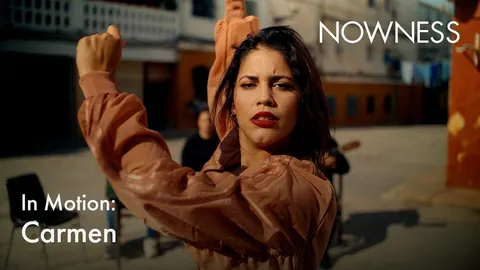
Contemporary flamenco artist Carmen Avilés leads a raw, fast-paced street performance in Seville.
Aretha Franklin's show-stopping performance of 'A Natural Woman' at the Kennedy Center in Washington.
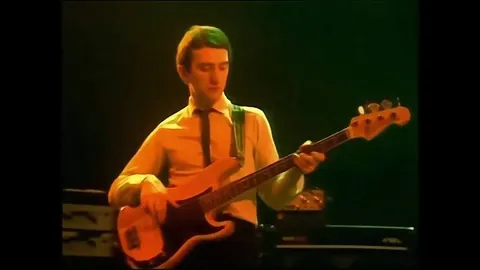
Freddie Mercury and Queen in full flight at the Hammersmith Odeon on Boxing Day 1979.
Need some Freddie positivity on Monday morning
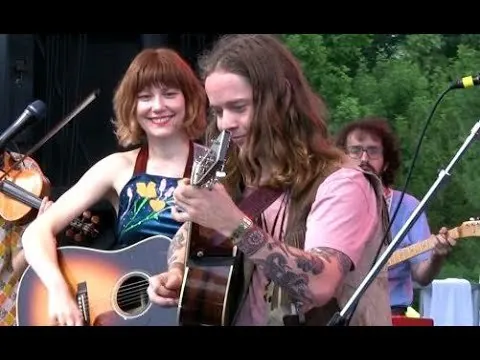
Molly Tuttle and Billy Strings trade dazzling flatpicking on the fiddle tune 'Billy in the Lowground'.
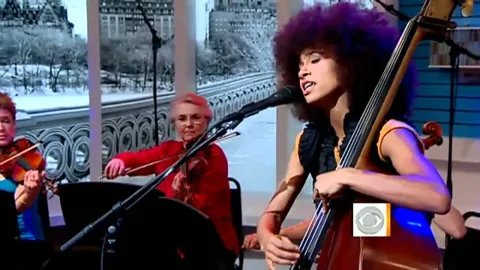
Jazz bassist and singer Esperanza Spalding performs her setting of William Blake's poem 'The Fly'.
Prince steals the show with a blistering guitar solo during an all-star tribute to George Harrison at the 2004 Rock & Roll Hall of Fame.
Prince showing off. wonderful.
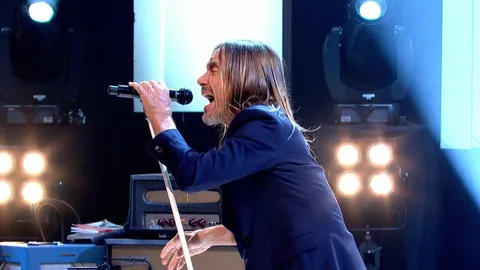
Iggy Pop tears through 'Lust for Life' on Later… with Jools Holland in 2015.
Got to stay positive during these grey months.
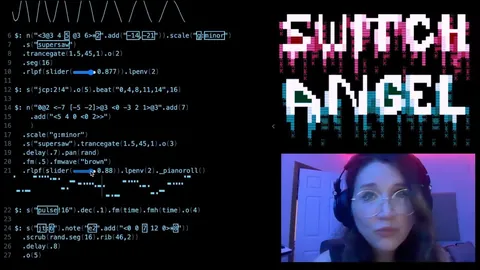
A musician builds a trance track from scratch by writing code live, narrating each step as the music grows.
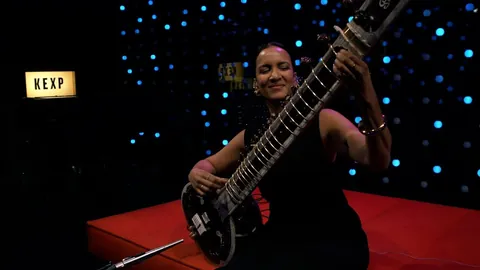
Sitarist Anoushka Shankar plays a full live set in the KEXP studio.
A performance of the Hurrian hymn to Nikkal, the oldest known music for which both the words and notation survive.
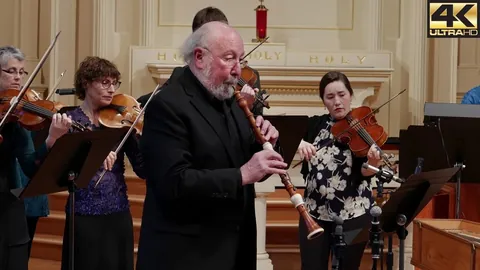
Bach's serene Arioso from Cantata 156, played on period instruments by Voices of Music with Marc Schachman on baroque oboe.
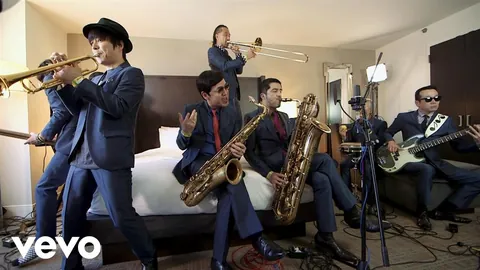
Japan's Tokyo Ska Paradise Orchestra in an exuberant performance of their brass-driven instrumental 'Skaravan'.
Ska music (second wave, “Two tone”) - The Specials, Madness, Bad Manners etc. - was the music of my teenage years.
Short films, documentaries and things to watch.
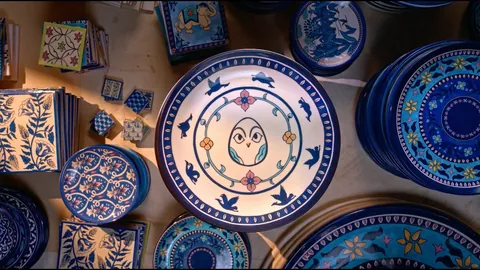
32Studio Eeksaurus's stop-motion film about efforts to save India's critically endangered great Indian bustard.
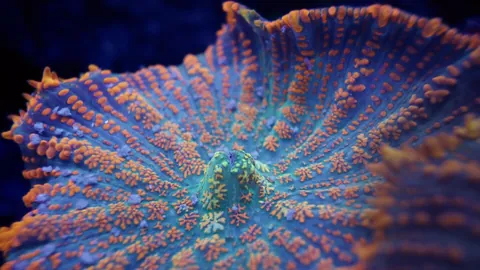
Iteration, a short film taking a fractal journey deep into the textures and structures of coral life.
Patrick Stewart delivers Macbeth's bleak 'Tomorrow, and tomorrow, and tomorrow' soliloquy.
Patrick Stewart has died, aged 86
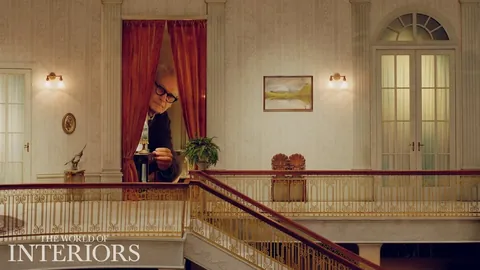
A tour of Laika Studios with the designers behind the stop-motion film Wildwood, presented by The World of Interiors.
The Up series, which has followed 14 Britons every seven years since childhood, ends after six decades with 70 Up.
This TV series is really special. Unique. I will definitely watch this last series.
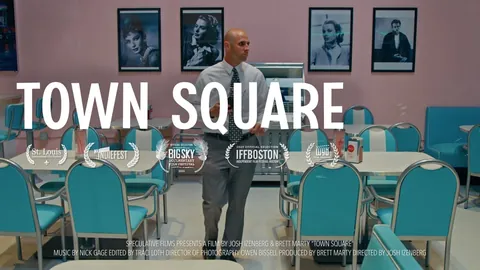
A documentary on memory-care pioneers who built a replica 1950s town to rethink how people with Alzheimer's are cared for.
Lumps Vol. 1: animated vignettes and experiments made between 2019 and 2026 by illustrator and animator Sam Drew.
An award-winning short documentary on Foley artists, who create the everyday sounds of films by hand.
Animation Obsessive profiles the animator whose work inspired Cartoon Network, plus notes on Ukrainian animation.
Howard Wimshurst's animated short about a competitive surfer who makes a strange discovery after being dragged under the waves.
Dick Proenneke's classic film of himself building a cabin by hand and living alone at Twin Lakes, Alaska.
A short film playing on the Hungarian word 'alkotás', meaning both the act of creation and the finished work.
The first Numberwang sketch from That Mitchell and Webb Look, a cult surreal parody of TV game shows.
That BBC Radio show name “Nature Bang”, reminds me of “Number Wang”
An animated short in which a burnt-out hospital robot vacuum quits its job and goes looking for community.
A short film set in 1997 about a punk-rock son and his father running an ageing Chinese restaurant.
A hand-drawn animated poem about a couple working opposite schedules trying to keep their connection alive.
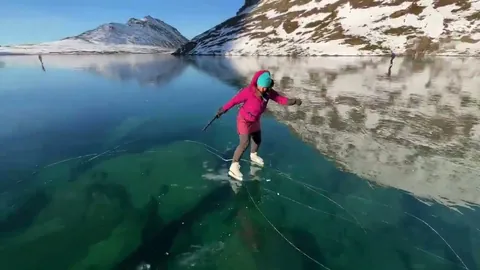
A Backcountry Film Festival award winner about wild ice skating ("the glide") as a safer alternative to avalanche-prone winter sports.
A Netflix documentary series in which Michael Pollan explores the history and uses of psychedelics such as LSD and psilocybin.
I’m into the works of Michael Pollan at the moment. Just finishing his recent book A World Appears: A Journey Into Consciousness which I liked a lot. And I’ve been watching his 2022 TV series How to Change Your Mind on Netflix, about people’s experiences on different types of psychoactive drugs, and enjoying it a lot.
Verena Fels's award-winning animated short in which a cow on the edge of society tips the balance of destiny.
A BAFTA-longlisted short film about a schoolgirl determined not to be caught with the extra 'homework' in her bag.
A podcast portrait of David Attenborough at 100, from rock-collecting boy to the world's best-known naturalist broadcaster.
David Attenborough is 100 this year! Podcast about him. Amazing to still be working and so lucid at 100.
A Gorilla Story: Told by David Attenborough is on Netflix and is really good.
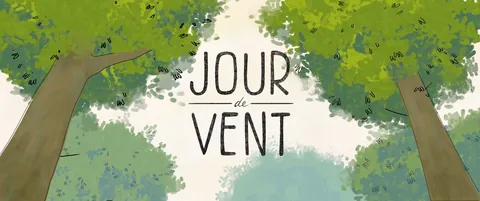
'Jour de vent', an award-winning student animated short in which the wind carries away people's destinies.
Lots of lovely ideas in this. Worth watching the whole thing.
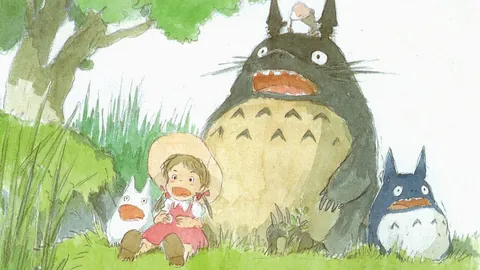
A look at the painted image boards Hayao Miyazaki uses to imagine his films before they are made.
A short film on Silvesterchlausen, the mysterious New Year tradition of costumed men in Appenzell, Switzerland.
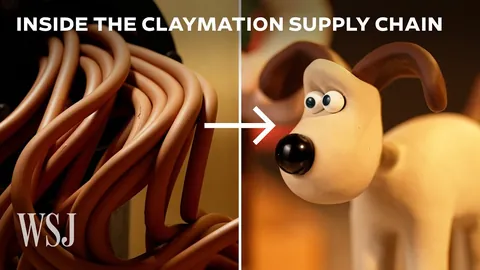
Why the animators behind Wallace & Gromit raced to save the very particular modelling clay they depend on.
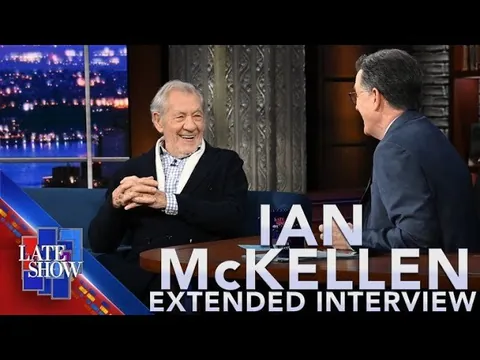
Ian McKellen talks to Stephen Colbert about his long stage and screen career, ending with a short, pointed Shakespeare performance.
This is a great interview, and especially good at the end where Ian McKellen gives a short performance of Shakespeare very relevant to the current situation in the USA
An animated music video in which two characters hunt each other, swapping roles as predator and prey.
A handmade mixed-media tribute to the history of boxing, told through the pages of The Ring magazine.
(Sucks that I need to say this, but… this is not AI)
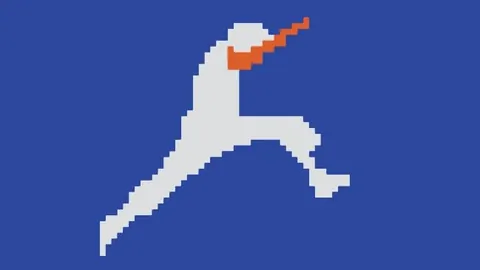
How the hero of the 1989 game Prince of Persia was animated from film of a real person, frame by painstaking frame.
The incredible amount of work that was put into animating the character in the 1989 Prince of Persia game
One technique I used when creating bitmap graphics in the 80s was to draw onto the computer screen, and then make the bitmap fit the drawing.
A hand-painted stop-motion elegy for a family home erased by eminent domain.
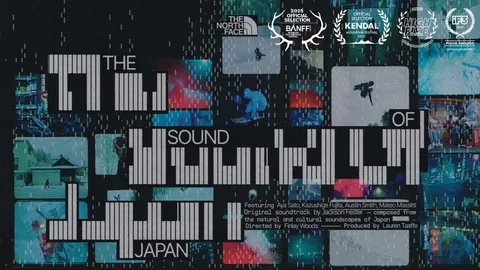
A short film of Japan's mountains and cities with a soundtrack composed from sounds recorded on location.
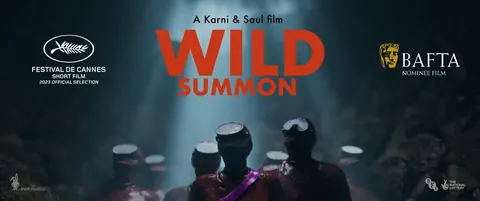
A BAFTA- and Cannes-nominated eco-fantasy short that retells the wild salmon's dramatic life cycle in human form.
In the past I’ve used salmon as a thought experiment when talking about ethics. The basic argument is that human ethics are very heavily influenced by our biology - individual babies are very highly valuable to us because we have so few and invest such a lot in them, and so harm or killing youngsters is seen as highly unethical. But if we were salmon - laying thousands of eggs, few of which survive - the majority of our young would have to die and the loss of one individual offspring wouldn’t be worth concern. In the salmon ethical system, killing an adult would be considered much worse than killing a child. Or at least that’s how the argument goes.
Language, writing, literature and books worth reading.
46A reader's review of Walter Ong's Orality and Literacy, on how writing transformed the way humans think.
Richard Burton's celebrated reading of Dylan Thomas's play for voices Under Milk Wood.
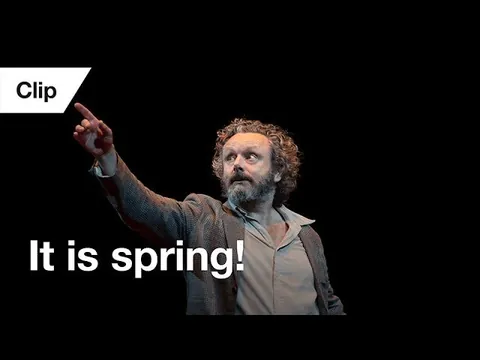
Michael Sheen performs the 'starless and bible-black' opening of Dylan Thomas's Under Milk Wood.
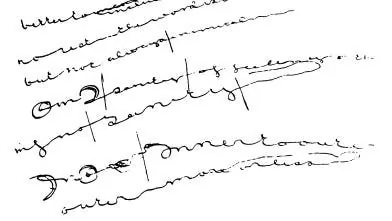
How W.B. and George Yeats, Sylvia Plath and Ted Hughes took notes from the spirit world through automatic writing and Ouija.
Why almost every novel is boring at first, until a switch flips and you cannot stop reading.
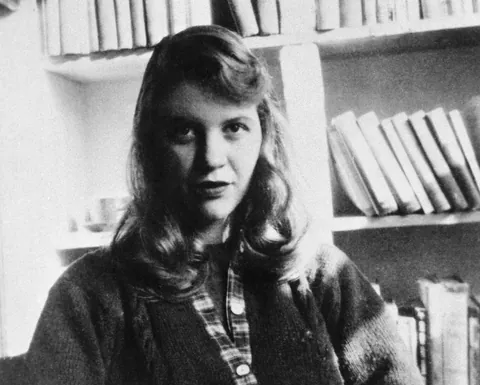
A Boston Review essay on the flood of newly available Sylvia Plath writing, and whether readers can take it.
An essay arguing the crisis in literacy and the humanities began long before smartphones and AI.
A poet's essay on a journey to Helsinki and learning to breathe at what feels like the end of the world.
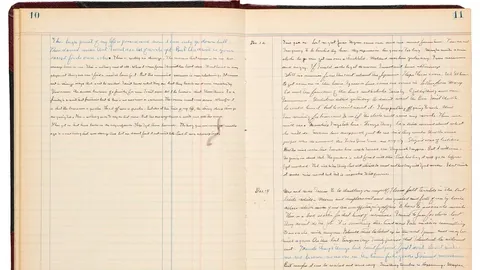
How John Steinbeck wrote East of Eden, drawing on the daily journal of letters he kept while composing it.
A British Library curator reads the opening lines of Beowulf aloud in Old English.
How 'weird' travelled from fate in Old English and Beowulf, through Shakespeare's weird sisters, to its everyday meaning.
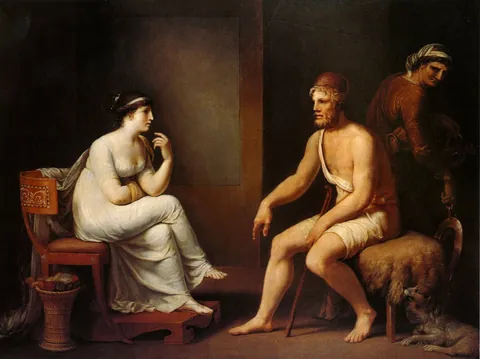
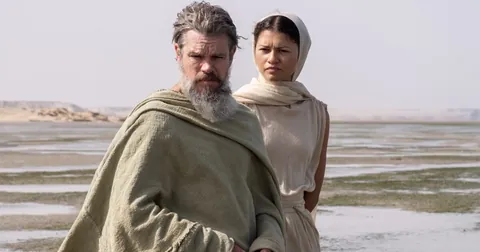
Classicist Edmund Stewart picks the twelve greatest scenes in Homer's Odyssey, for anyone sent back to the poem by Nolan's film.
An essay tracing nostalgia from a 1688 medical diagnosis of deadly homesickness to its softened, pillowy modern form.
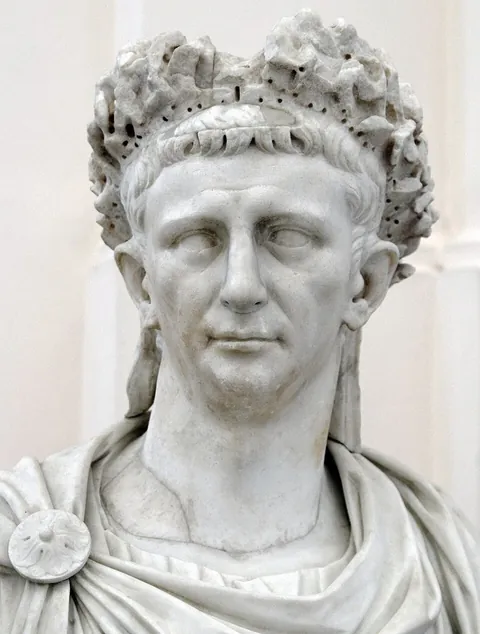
How the Roman emperor Claudius tried to add new letters to the Latin alphabet, and why almost nobody used them.
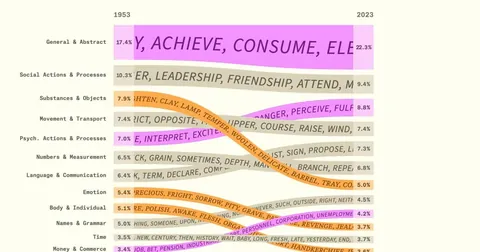
How lists of essential words for English learners changed between 1953 and 2023, and what that reveals.
Translator Emily Wilson on how Christopher Nolan's film misreads Odysseus and The Odyssey's imagined world.
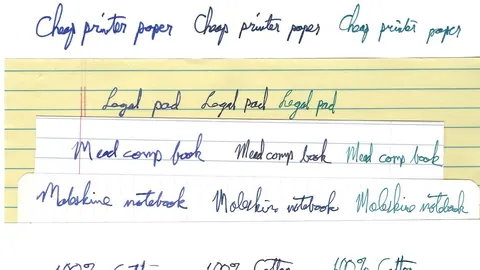
Novelist Neal Stephenson on why writing by hand is good for your brain, and how he does it.
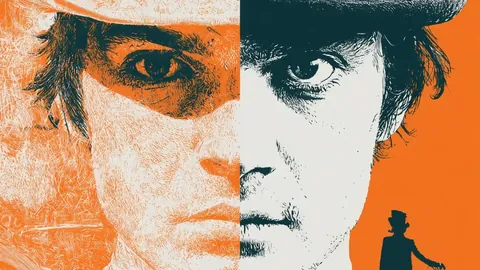
On Anthony Burgess, the unreliable stories behind A Clockwork Orange, and why primary sources matter.
An Atlantic essay arguing that people are losing the higher-order ability to read deeply, not the ability to decode words.
Maryanne Wolf, a cognitive neuroscientist at UCLA, argues that people are losing the ability to think deeply about writing. That doesn’t mean they are forgetting how to decode individual words. Rather, they are losing the higher-order abilities of comprehension and synthesis. America, in other words, isn’t illiterate. It’s postliterate.
Reading books is a workout for the attention span. The more you read, the easier it is to read, and the more you’re rewarded with new understanding. Eventually the process is more pleasurable than it is challenging. But as with physical exercise, the converse is true as well: The less you read, the more difficult it is to read, and the rockier the path to acquiring knowledge.
A survey of history's most prolific writers, from Chesterton dictating to Corín Tellado's 4,000 novels.
Corin Tellado published more than 4,000 novels and sold over 400 million copies, mostly under a contract with Spanish publisher Bruguera, which obligated her to deliver a 76-page novel every single week for years. Tellado did not have the luxury of waiting for inspiration, as she was running a small industrial operation out of her typewriter. She was writing while under Franco-era censorship, which made the eroticism the romance genre is known for completely forbidden. And she turned that constraint into a craft, later saying the rejected drafts taught her “to suggest more than to explicitly show”. She made technique out of the limitations of what she was allowed to write. Romantic lemonade out of banned erotic lemons, if you will.
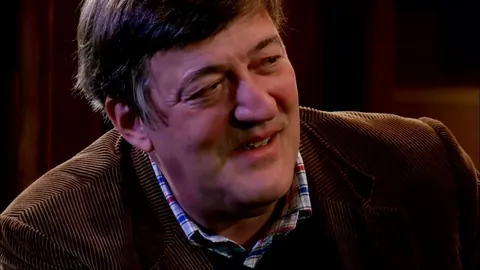
Stephen Fry meets Basque chefs and Occitan singers and shepherds while exploring Europe's endangered languages.
A reading of Book 1 of Homer's Iliad in ancient Greek, with a close translation following the original's rhythm.
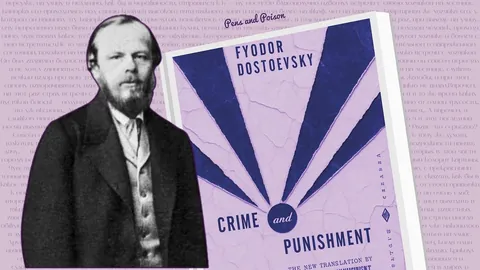
On toska, a Russian word in Crime and Punishment that no English translator has quite captured.
So while no translation will ever perfectly capture the meaning of toska, perhaps that’s just the point of Dostoyevsky’s great work. Some words resist translation because they emerge from a particular culture’s way of experiencing the world. In this case, Russian gave Dostoyevsky a word for a feeling that does not exist in English.
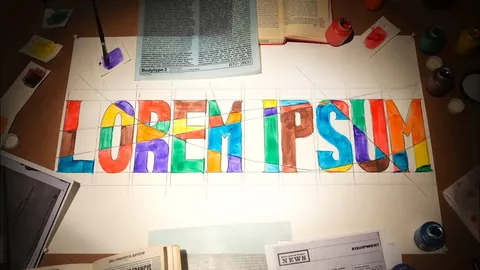
A video investigation into the origins of Lorem Ipsum, the placeholder text derived from Cicero.
A professor reflects on what we lose when the physical book disappears, starting with a dumpster behind her university library.
This is something I aim to convey to the students who visit me in my office, the ones who ask Have you really read all those books? The answer is no, I haven’t, but that’s not the point. Books are fantasies. They’re there to remind me of my own desire for more knowledge.
It is much harder to read today than it was a generation ago, thanks to the omnipresence of digital distractions, and it keeps getting harder. Our devices keep us texting, posting, and liking our lives away.
Amy Wallace on two decades spent guarding the human memory of her brother David Foster Wallace against the myth.
An analysis of 200,000 similes from popular fiction reveals which comparisons writers reach for again and again.
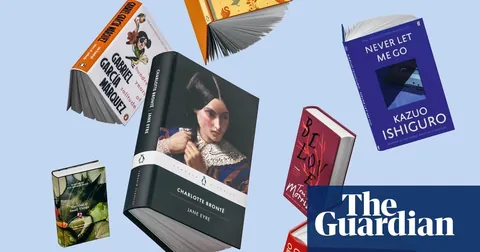
The Guardian's poll of authors, critics and academics on the 100 best novels in English, with commentary on each choice.
10 Madame Bovary 9 Pride and Prejudice 8 Jane Eyre 7 War and Peace 6 Anna Karenina 5 In Search of Lost Time 4 To the Lighthouse 3 Ulysses 2 Beloved 1 Middlemarch
Stephen Fry talks with actors including David Tennant and Mark Rylance about Hamlet's 'To be or not to be' speech.
Loved this
Michael Pollan's book 'A World Appears', an exploration of consciousness recommended by the host.
I’m into the works of Michael Pollan at the moment. Just finishing his recent book A World Appears: A Journey Into Consciousness which I liked a lot. And I’ve been watching his 2022 TV series How to Change Your Mind on Netflix, about people’s experiences on different types of psychoactive drugs, and enjoying it a lot.
An Aeon essay arguing that literature, free of easy moralising, teaches us to relish the search for truth.
Karen Shepard's mother-daughter story told entirely through documents, in The Paris Review.
Rachel Connolly's Granta essay on almost never crying, and what it means to access vulnerability.
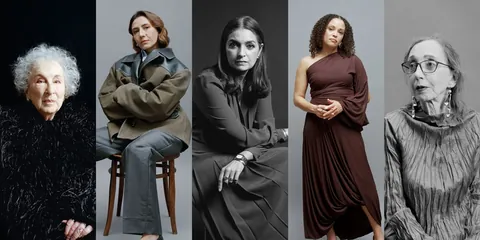
Margaret Atwood, Jesmyn Ward, Jhumpa Lahiri, Joyce Carol Oates and Ottessa Moshfegh on what it takes to write something true.
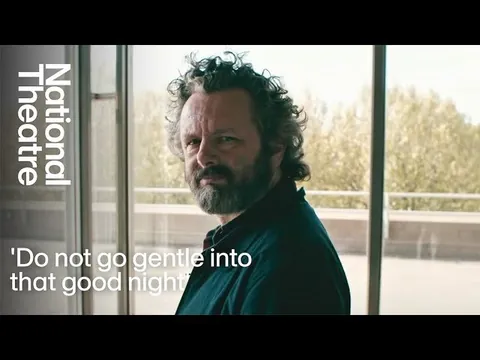
Michael Sheen's electrifying performance of Dylan Thomas's 'Do not go gentle into that good night' for the National Theatre.
I’ve shared this lots of times before, but I never get bored of it
Medieval English had pronouns for 'just the two of us', and other lost words that captured intimacy.
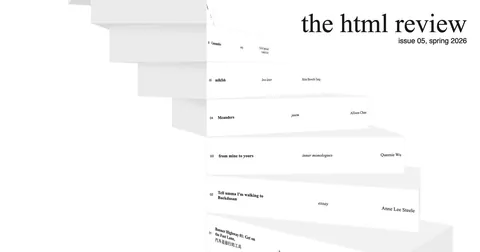
An annual journal of literature made to exist on the web, with experimental interactive pieces.
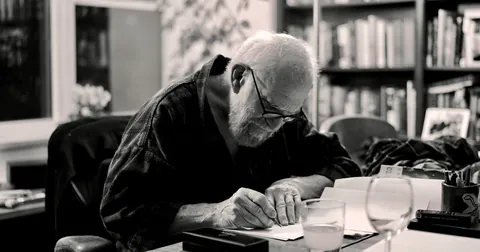
What Oliver Sacks scribbled in the margins of the books he read.
How the word 'bitch' has shifted from dog to human, female to male, noun to verb, and what that says about power.
In its most literal sense, a bitch is a female dog, and this is also the word’s earliest meaning. Because bitch feels so contemporary, so casually present in everyday speech, it’s easy to assume it’s a relatively recent addition to the language. The etymology, however, tells a different story. ‘Bitch’ meaning ‘female dog’ dates to around 1000 CE, giving the word a pedigree that stretches back more than 1,000 years. It is older than ‘fuck’ and ‘cunt’, and older than many of the insults we now think of as timeless.
How researchers try to reconstruct what the earliest human languages might have sounded like.
A story written in English that grows steadily older paragraph by paragraph, testing how far back you can still understand it.
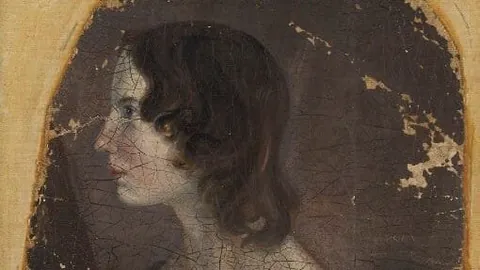
Twenty-one responses to Wuthering Heights from 1847 to 2007, showing how no one has ever been indifferent to it.
There is an old saying that those who eat toasted cheese at night will dream of Lucifer. The author of Wuthering Heights has evidently eaten toasted cheese.
How L. Ron Hubbard's career as a pulp science-fiction writer shaped the religion he went on to found.
If you’ve not read about the founder of L Ron Hubbard before it’s a fascinating story.
The word 'serendipity' comes from a Persian fairy tale and once meant something more than lucky accidents.
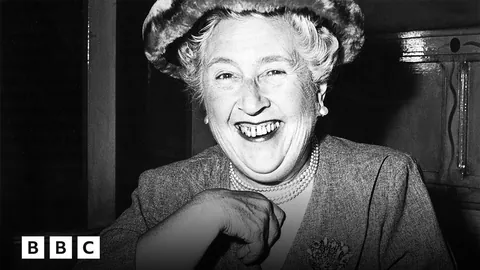
A rarely heard recording of the famously private Agatha Christie talking about her life and work.
How 'hello' grew from 15th-century cries of 'hullo' and 'holla', and what greetings around the world reveal.
How people live, love, work and get along.
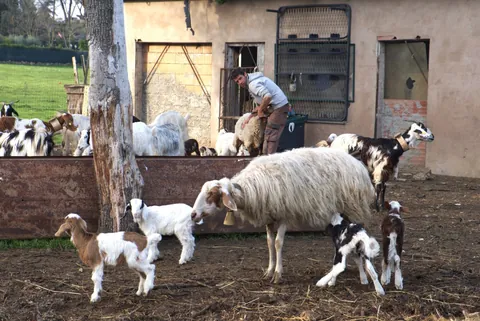
31Rome's urban shepherds, whose flocks help protect the capital's remaining parks even as pressure on the ancient practice grows.
A road trip along the North Korean border with a Chinese father, his estranged daughter and an 81-year-old grandmother.
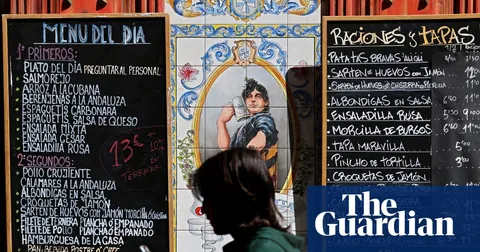
The history and uncertain future of Spain's menú del día, a lunchtime ritual established under Franco now in decline.
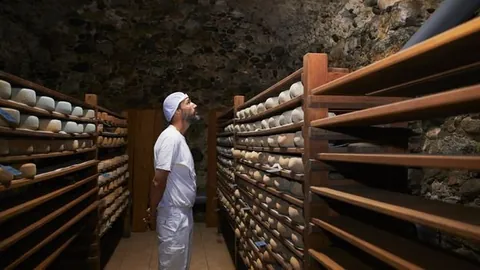
Trevor Warmedahl hikes the world documenting rare, traditional cheesemaking methods before they disappear.
A New York Times Magazine feature on the Darién Gap, the roadless jungle between Panama and Colombia.
Writer Emily Gould's personal essay about no longer being able to cry, and what it would take to do so again.
A Paris Review essay on the Sperm Racing World Cup, from van Leeuwenhoek's first look at sperm in 1677 to today's spectacle.
In 1677, a medical student named Johann Ham approached the Dutch scientist and future “Father of Microbiology” Antonie van Leeuwenhoek with unsettling news: there were tiny creatures living in his semen. Or not in his semen, not necessarily. Some incorrigible friend—someone who certainly wasn’t Ham—had dislodged his wad in the company of an “unclean woman” and then transferred custody of his deposit by means unattested into Ham’s hands. Curious Ham had splashed the discharge under a microscope and, startled by its contents, brought his discovery and its medium to Van Leeuwenhoek for a second opinion. Examining the sample, the renowned microscopist, who had already described what we call red blood cells and protists in pioneering detail, glimpsed spindly tailed animalcules moving in the muck. He proceeded to set about procuring new goo from a close, morally uncompromised source. “What I here describe was not obtained by any sinful contrivance on my part, but the observations were made upon the excess with which Nature provided me in my conjugal relations,” he wrote some months later to the Royal Society of London regarding the remains of an emission he’d slathered under his powerful single-lens microscope.
A New Yorker feature on death doulas, the companions who guide dying people and their families through the end of life.
Inside China's booming short-drama industry, where 215 million people a day watch minute-long soap operas.
On any given day in China, roughly 215 million people spend over an hour watching short dramas. These dramas have multiplied on China’s internet, with 33,000 released in 2025. It’s a more than 100-billion-yuan ($13.8 billion) market domestically, double what it was in 2024.
Corporate documents show how Philip Morris applied cigarette marketing research to design Lunchables for children.
An NPR and Frontline investigation into how the oil industry sold plastic recycling while knowing it would rarely work.
“If the public thinks that recycling is working, then they are not going to be as concerned about the environment,” Larry Thomas, former president of the Society of the Plastics Industry, known today as the Plastics Industry Association and one of the industry’s most powerful trade groups in Washington, D.C., told NPR.
A professor argues that offloading the struggle of reading to chatbots deprives students of the strength to think.
When I assign analysis, I am not trying to extract a polished product; I am trying to put the student’s mind through resistance in order to make it stronger. Offloading the struggle to a chatbot does not “free students up for higher-order work.” It deprives them of building the strength to do any substantial cognitive work at all.
The students who cannot read a 20-page article today are the voters who will not be able to read a bill, or the jurors who cannot follow a closing argument, tomorrow.
A long investigation into an addict and his counsellor, and the tangled question of who was really stalking whom.
Derek Thompson explains why birth rates are falling almost everywhere and how deeply that could reshape societies.
A researcher traces how women went from being seen as the more lustful sex in antiquity to the less sexual one.
What Ethiopia's distinctive, communal approach to marathon training reveals about the limits of human ability.
In Ethiopia, it is the ability to run in a way that protects your own and others’ energy that is seen as the primary skill of an endurance athlete. In this instance, doing this well was often seen to require the rejection of quantified data rather than its embrace. Rather than seeing energy as contained within the individual body, and the athlete as a system of inputs and outputs, Ethiopian athletes see the process of expending and monitoring energy as a collective responsibility. Because the total amount of energy is seen as limited, for one athlete to gain within this system necessarily involves another athlete losing something. For this reason, there is a complex ethics of training in Ethiopia, which ensures that energy is shared as evenly as possible.
The story of the whistleblower who gave journalists evidence of the NSA's secret mass wiretapping of Americans.
In Kannauj, India, perfumers have for centuries distilled the scent of monsoon rain on earth into mitti attar.
A history of fish sauce, from ancient Asian recipes and Roman garum to its many uses today.
Photographs and stories of the cats who live in New York's corner shops, and the people who know them by name.
Why some of the world's poorest people spend fortunes on funerals, and what that does to their economies.
Why Japan's railways are the best in the world, and how other countries could copy its formula.
The Japanese love cars, but they take trains because they have the best railway system in the world. And their system excels because of good public policy: business structure, land use rules, driving rules, superior models for privatization, and sound regulation have given Japan its outstanding railways.
A photo essay on daily life on Tristan da Cunha, the world's most remote inhabited island.
A 1986 BBC segment in which a body-language expert attempts to teach viewers how to spot the British upper class.
Works in Progress on why agricultural wealth tends to bring polygamy, and how Europe's monogamous nuclear family is the exception.
Northwestern Europeans assumed that their way of doing things, lifelong monogamous marriage sanctified by religion and nuclear families with male breadwinners, was the natural order. But by the twentieth century, anthropologists were returning with reports of foreign customs which challenged this notion.
George Murdock and Douglas R White went on to formalize this scholarship with the publication of the Ethnographic Atlas in 1967, a compilation of over 1,200 cultures. Two years later, they refined the project into the Standard Cross-Cultural Sample, selecting 186 societies thought to be culturally independent and geographically dispersed. Of these societies, 31 were monogamous, 153 were polygynous, where a man had multiple wives, and 2 were polyandrous, where a woman had multiple husbands.
We also have strong genetic evidence that the majority of men who ever lived likely did not pass on their genes, likely reasons being:
An essay on why boasting about overwork provokes such hostility, and what happened to the idea of a leisure class.
Poland's Wieliczka salt mine, where centuries of miners carved chapels and sculptures out of salt deep underground.
A yacht chef's account of cooking for the very rich, treated as a kind of comic odyssey.
An interesting read. The adventures of a ship’s chef for very rich people.
A visual investigation into why women's clothing sizes fit so few bodies, across generations.
How Bogotá replaced traffic police with mimes who shamed bad drivers, and why it worked.
A profile of the woman who runs one of America's largest databases of missing people, and her belief that they can still be found.
AI, clever tools and the internet's odder corners.
30A clever investigation showing how inaudible background sounds and the Doppler effect can reveal your exact location.
Very clever.
A search engine for over four million public-domain images and videos, found by describing what you picture.
Thousands of books recommended in Hacker News comments since 2007, ranked by how many different people recommend them.
The Pudding demystifies the Six Degrees of Kevin Bacon with data, mapping Hollywood's past, present and future centres.
Some great data visualization and analysis here.
Every charted navigational light on a spinnable night globe, each flashing or sweeping in its real charted rhythm.
An eccentric, beautifully interactive introduction to digital signal processing, built from circles and sine waves.
A probability-weighted draw that shows which life you might have been born into, based on real-world statistics.
The Equal Earth projection, a 2018 world map that shows countries' true relative sizes while keeping familiar shapes.
The United Nations will vote on Friday on a resolution calling for the adoption of a map that more accurately represents countries’ size. Maps using the traditional Mercator projection significantly underplay how big African countries are. Places in high latitudes, such as Europe and North America, are rendered relatively larger. The resolution, championed by Togo, may lead the UN to use the “Equal Earth” map instead.
From The Economist
A semantic search engine across 5.8 million artworks from the world's great museums: search by theme, mood, subject or description.
A layer-by-layer interactive teardown of the smartphone, the most intricate machine most of us own.
An interactive 3D guide to how a beam engine works, from Watt's condenser and valves to the governor.
A catalogue of emoji formally proposed to the Unicode Consortium that were rejected.
Lauren Oyler gets an AI boyfriend and asks what we lose when romance is outsourced to chatbots.
Jason Davies' interactive spherical Voronoi diagram, a beautiful piece of geometry on a globe.
A sharp LRB blog post on ChatGPT, chattiness, and the writer's assumption that avoiding it made her cleverer.
A pastry chef at a metaverse company on feeding tech workers, male ego and why she no longer thinks technology is magic.
I made cheesecake for the metaverse while men discussed artificial intelligence across a counter from me like they were debating fantasy football statistics. I watched mediocre executives fail upward. I watched women get ignored, patronized, screamed at, and passed over. I watched corporations reward ego and punish humanity. I watched an industry convince itself it was inventing the future while reproducing every flaw of the present. Because underneath all the futuristic branding, the metaverse was still just a workplace. A very ordinary American workplace full of ego, hierarchy, cowardice, bias, loneliness, office politics, protected mediocrity, and men who believed proximity to power made them brilliant. And those are the people building artificial intelligence.
Dena Yago on Rotten.com, the shock site that dispensed trauma to a generation of kids on dial-up.
How ASML became the only company able to build the EUV lithography machines that all advanced chips depend on.
The Pudding maps 100,000 moments of human happiness.
A solar-powered website about low-tech solutions and forgotten technologies, which goes offline when the sun doesn't shine.
A sprawling web collage of text and images rescued from the lost neighbourhoods of GeoCities.
Neal Stephenson, who coined 'metaverse' in Snow Crash, reflects on the latest death of his idea.
(Neal Stephenson invented the term “metaverse” in his 1992 science fiction novel Snow Crash)
An interactive journey through 30 years of the web, from early homepages to today.
An interactive data story about which birds people search for online, told with lovely visuals and illustrations.
A USA focus, but some very nice information visualization in this essay
An interactive simulation of simple particle-based artificial life forms that move and organise themselves.
An obsessively thorough and much-loved site about lacing and tying shoes, with dozens of methods.
A guide to the people who write the most inspiring interactive visual essays on the web.
Ciechanowski is one of the people I put in my web page on Gods of the visual essay here
Stunning interactive articles explaining science and engineering, from the Moon to mechanical watches; the archive is a treasure trove.
I’m posting this as some of you may not have come across Ciechanowski’s blog before. It is amazing
Make sure to click on “Archives” to see more incredible explainers.
A beautifully illustrated visual explanation of ordered dithering and how threshold maps turn greys into patterns of dots.
The story of the Vastaamo hack, in which the therapy notes of 33,000 Finns were stolen and used for extortion.
This is worth reading