Neoliberalism took shape in the shadow of Keynesian dominance in the mid-20th century. While governments across the Western world embraced active economic management and expanded welfare states, a small group of economists and philosophers kept a different vision alive. Friedrich Hayek, Milton Friedman, and the Mont Pelerin Society argued that central planning - even democratic planning - could threaten human freedom by concentrating power and swapping individual choice for bureaucratic judgment. Their critique was both economic and moral: markets weren’t just efficient; they were closely tied to liberty. Friedman pushed back on the Keynesian story, arguing that government failures, not market failures, were often behind economic crises. For decades, these remained minority views - debated more in seminars than in parliament.
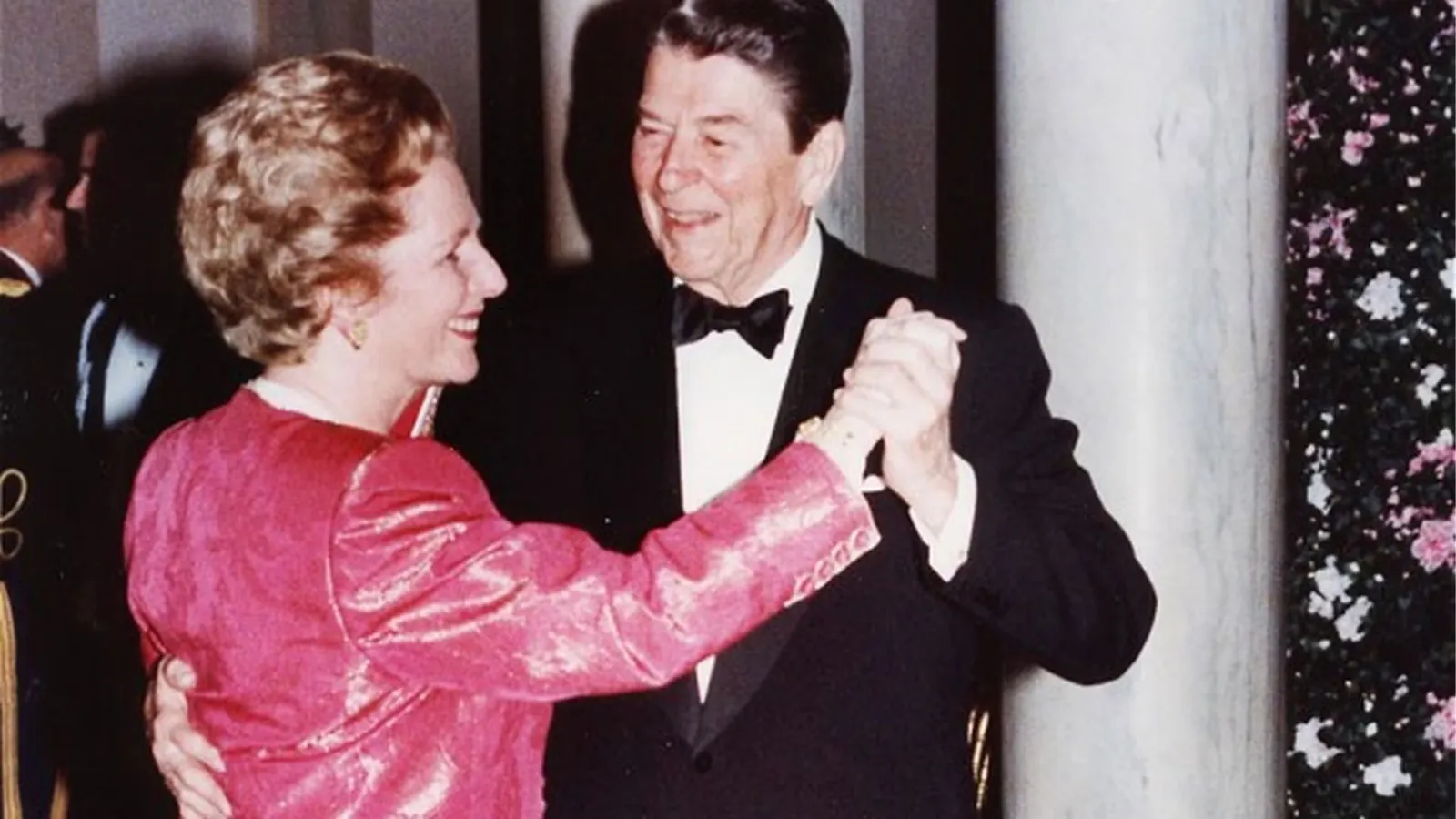
But in the 1970s, neoliberalism moved from the margins to center stage. Stagflation - high inflation combined with high unemployment - seemed impossible under Keynesian theory, yet there it was, and it made neoliberal ideas suddenly feel relevant (and even exciting) to politicians. Margaret Thatcher and Ronald Reagan didn’t just adopt new policies - they championed a new philosophy. Thatcher’s famous line that “there is no such thing as society, only individual men and women” captured the mood shift. Both pursued privatization, deregulation, union-busting, and tax cuts for the wealthy. The state’s role changed from economic manager to referee of market rules. Within a decade, neoliberal policies became the new norm - and they’ve helped reshape how societies think about everything from welfare systems to work.
This session was led by Luca.
Details
When: Friday 13 February 2026, 19:00
Where: C/ de València, 209, Barcelona
Presented by: Luca
Attended: 24 people
This talk also ran: 27 Mar 2026