In this session, we explored the figure of the intellectual, the belletrist who rose from a position of suspicion and ridicule to become, through the written word, a force capable of defending democracy and shaping our collective moral consciousness.
Along the way, we considered a curious paradox: how well-written fiction in an imaginary book can profoundly shape our perception of reality, and, with it, our judgment and decisions as individuals and as a society.
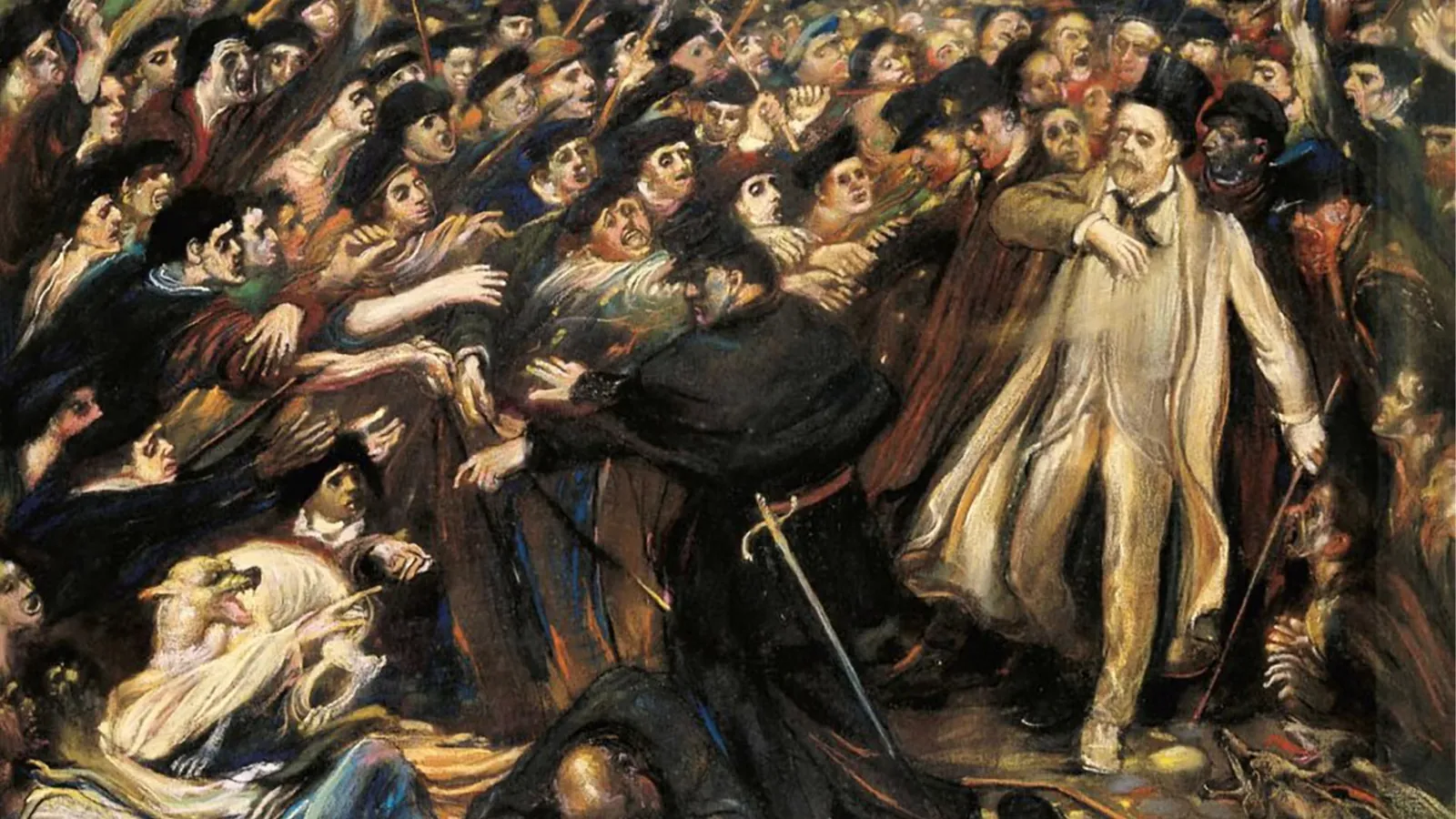
Turning from fiction to fact, one historical and canonical case study helped us examine how critical thinking and the courageous intervention of intellectuals helped a society confront its own prejudices, biases, conspiracies, and fallacies, and in doing so, helped save its democracy and uphold its universal values.
We then turned to the evolution of relentless technology, from the Belle Époque to today, to ask what has changed in the power and influence of the ‘man of letters’ vis-à-vis the technologies we’ve developed, and what risks we now face, more than ever, as cracks in our democracies widen through a consciousness increasingly compromised by shady influencers.
This talk is the second in a three-part series examining how new technologies, cultural intermediaries, and information systems shape our beliefs in subtle but consequential ways.
Each talk stands on its own and requires no prior attendance.
This session was led by Eyal.
Details
When: Friday 19 June 2026, 19:00
Where: C/ de València, 209, Barcelona
Presented by: Eyal
Attended: 27 people